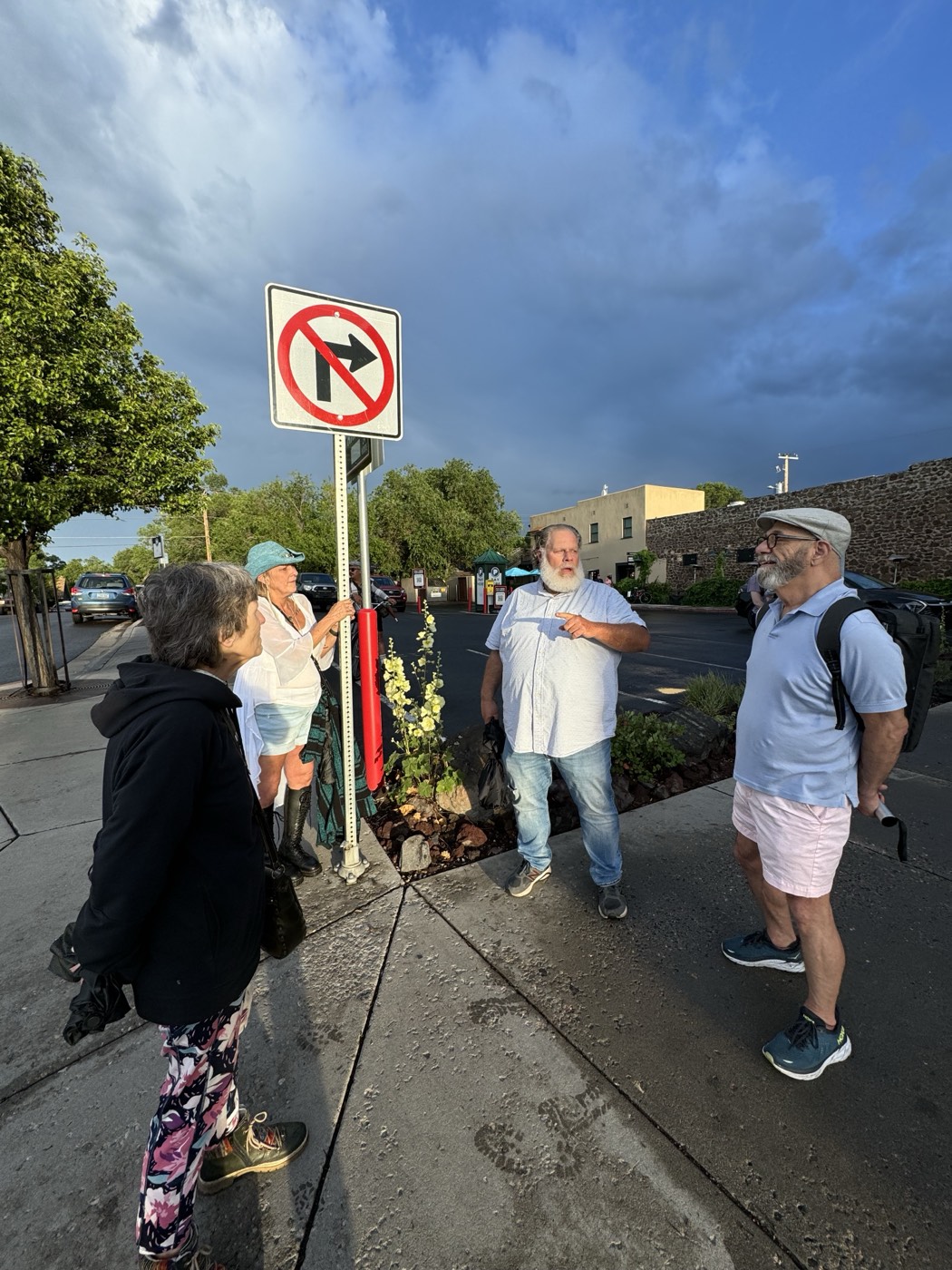
South of the tracks
The Red-Light District
The Coconino Sun printed the words in 1916. The town spent a century not repeating them.
Thomas E. Pollock made his money in lumber, banking, and ranching, and around 1901 he held the mayor’s chair of a town whose most reliable industries were the ones the new blue laws were written to restrain. When the saloons and bawdy houses rebelled against the Sunday rules, the young mayor produced a compromise that, in the publisher’s dry phrasing, appeased most locals.
The story of that compromise is a small masterpiece of territorial governance: what got licensed, what got fined on a schedule everyone understood, and what the town agreed not to see. The newspapers editorialized scathingly and the arrangement worked anyway.
Pollock went on to bigger ledgers, and a National Register building in Williams still carries his name. The compromise carried Flagstaff to statehood.
Wicked Flagstaff lays out the Pollock compromise in full: the ordinances, the enforcement that was really a price list, and the editorials that fumed while the town collected. Nobody else has written it down.
Chicago“The Blue Laws, early Flagstaff.” Wicked Flagstaff, the Book. https://wickedflagstaff.com/stories/blue-laws.
APAWicked Flagstaff, the Book. (2026). The Blue Laws, early Flagstaff. https://wickedflagstaff.com/stories/blue-laws
Citing the book itself? Edition details and ISBNs are on the buy page.
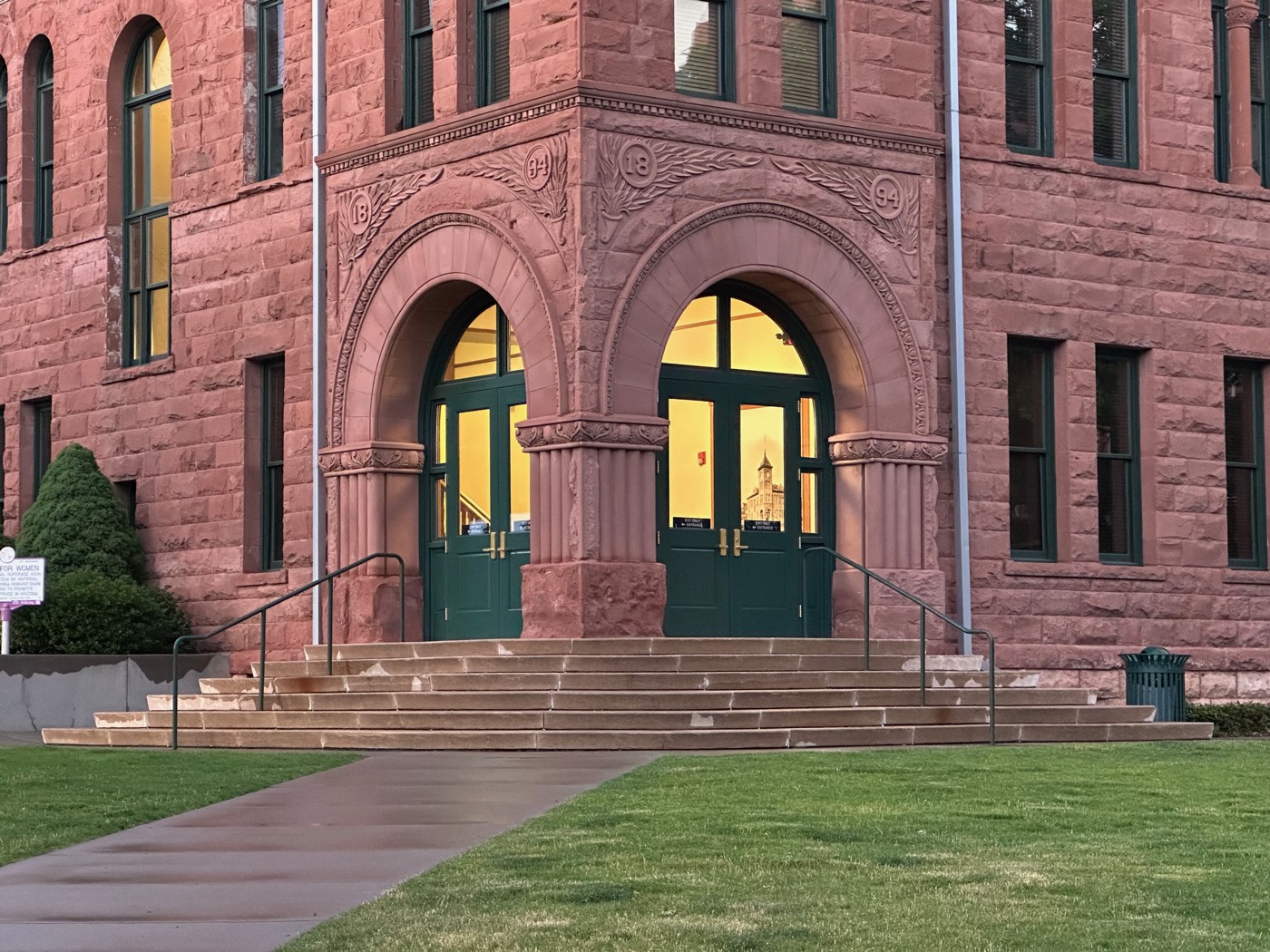
The Coconino Sun printed the words in 1916. The town spent a century not repeating them.
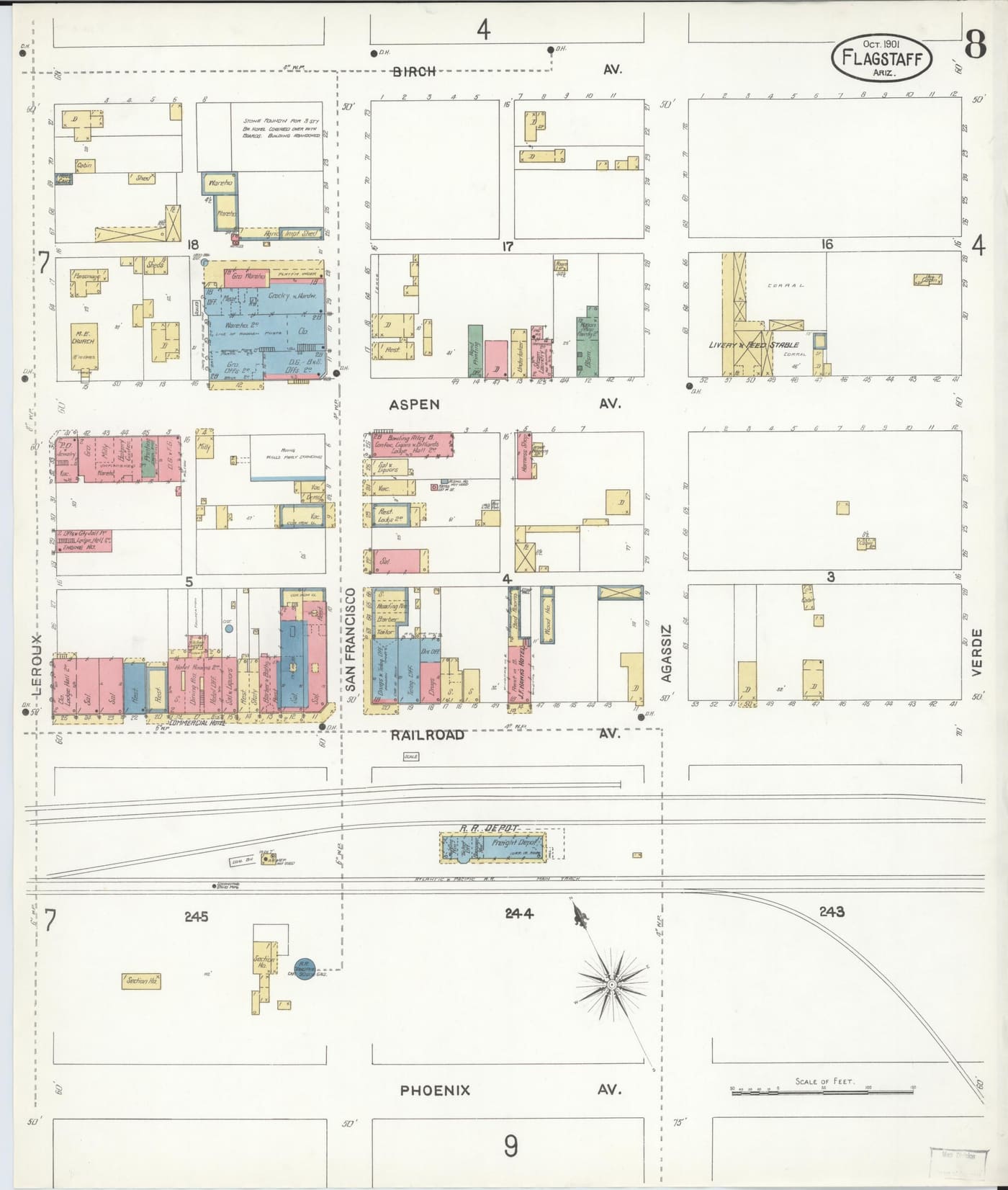
By 1886 the saloons outnumbered every other kind of business in town, combined.
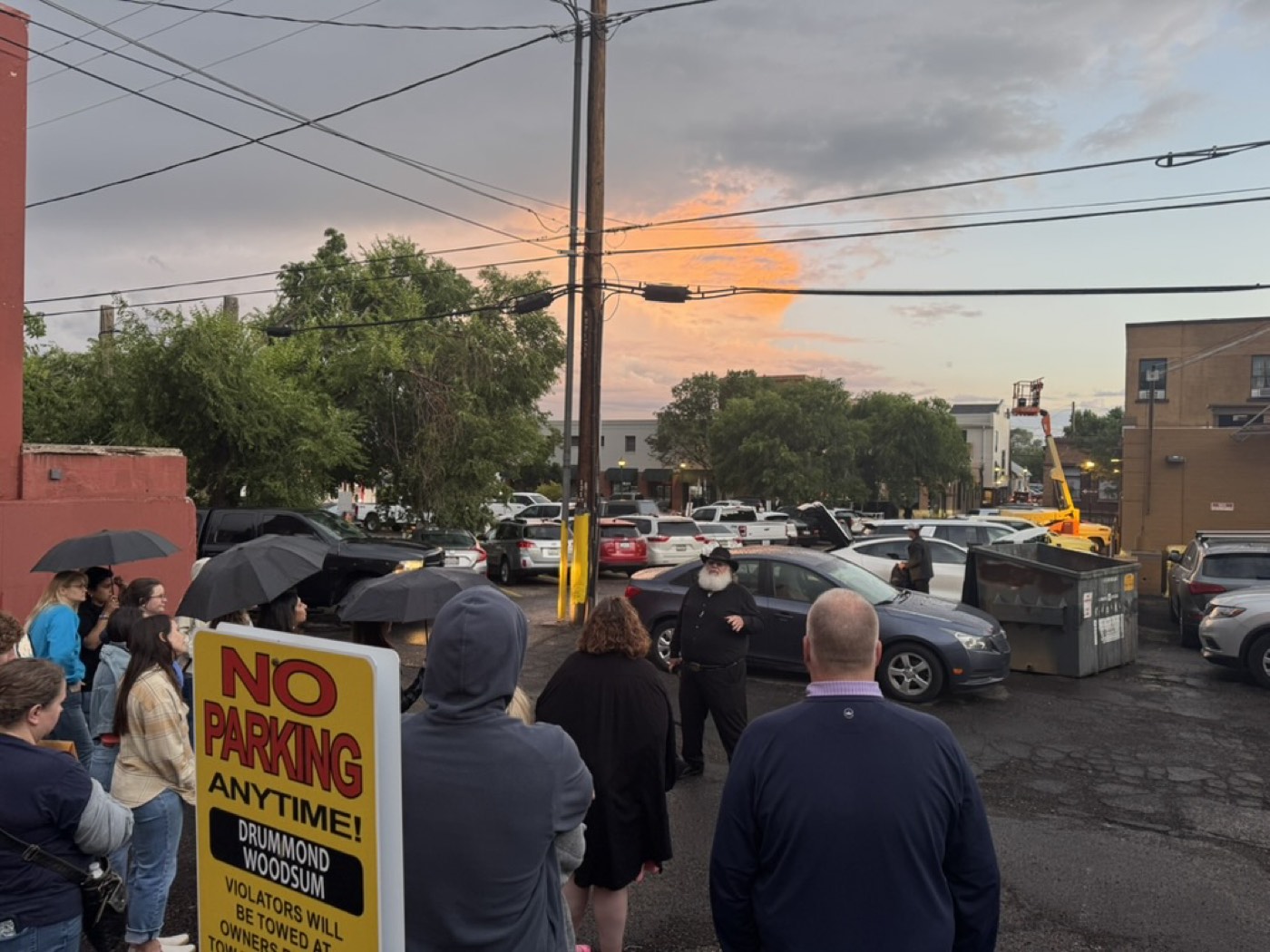
Every old mountain town swears it has tunnels. Flagstaff actually does. The argument is about what they were for.