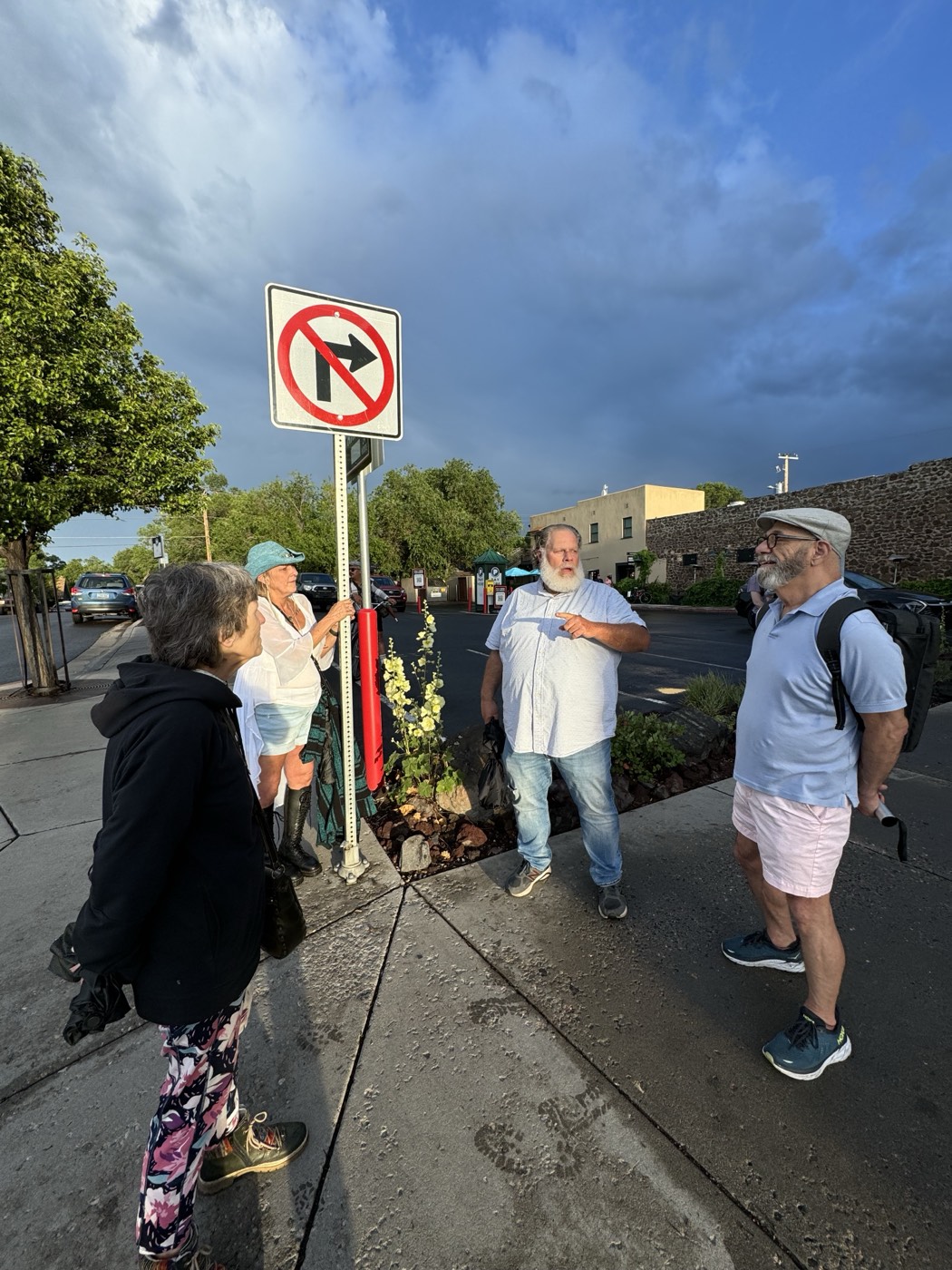
South of the tracks
The Red-Light District
The Coconino Sun printed the words in 1916. The town spent a century not repeating them.
The railroad reached Flagstaff on August 1, 1882, and the town that grew along the tracks poured first and built later. By 1886 the count was famous: more saloons than all other businesses combined. The 1901 Sanborn fire insurance map, drawn so insurers could price the risk, marks them one after another along Railroad Avenue, a row of Sal. labels between the hotels, the billiard hall, and the bowling alley, with the Methodist Episcopal church holding its ground a block north.
The Parlor Saloon, where the book seats Commodore Perry Owens and Ben Doney, is a fine example of how slippery the record gets. One downtown history credits it to hotel builder John W. Weatherford. Another account puts it under saloon man Jim Vail at the corner that now houses a crystal shop. The surviving sources disagree, which is exactly the kind of knot a historian enjoys untying.
The row survived statehood, fought the blue laws, and finally met Prohibition, which did not so much close Flagstaff’s saloons as move them downstairs.
Wicked Flagstaff pours the full round: the saloon keepers, the gamblers, the ordinances they dodged, and the regulars whose names still hang on the map. The Parlor Saloon question gets its airing in the book.
Chicago“Saloon Row, early Flagstaff.” Wicked Flagstaff, the Book. https://wickedflagstaff.com/stories/saloons.
APAWicked Flagstaff, the Book. (2026). Saloon Row, early Flagstaff. https://wickedflagstaff.com/stories/saloons
Citing the book itself? Edition details and ISBNs are on the buy page.
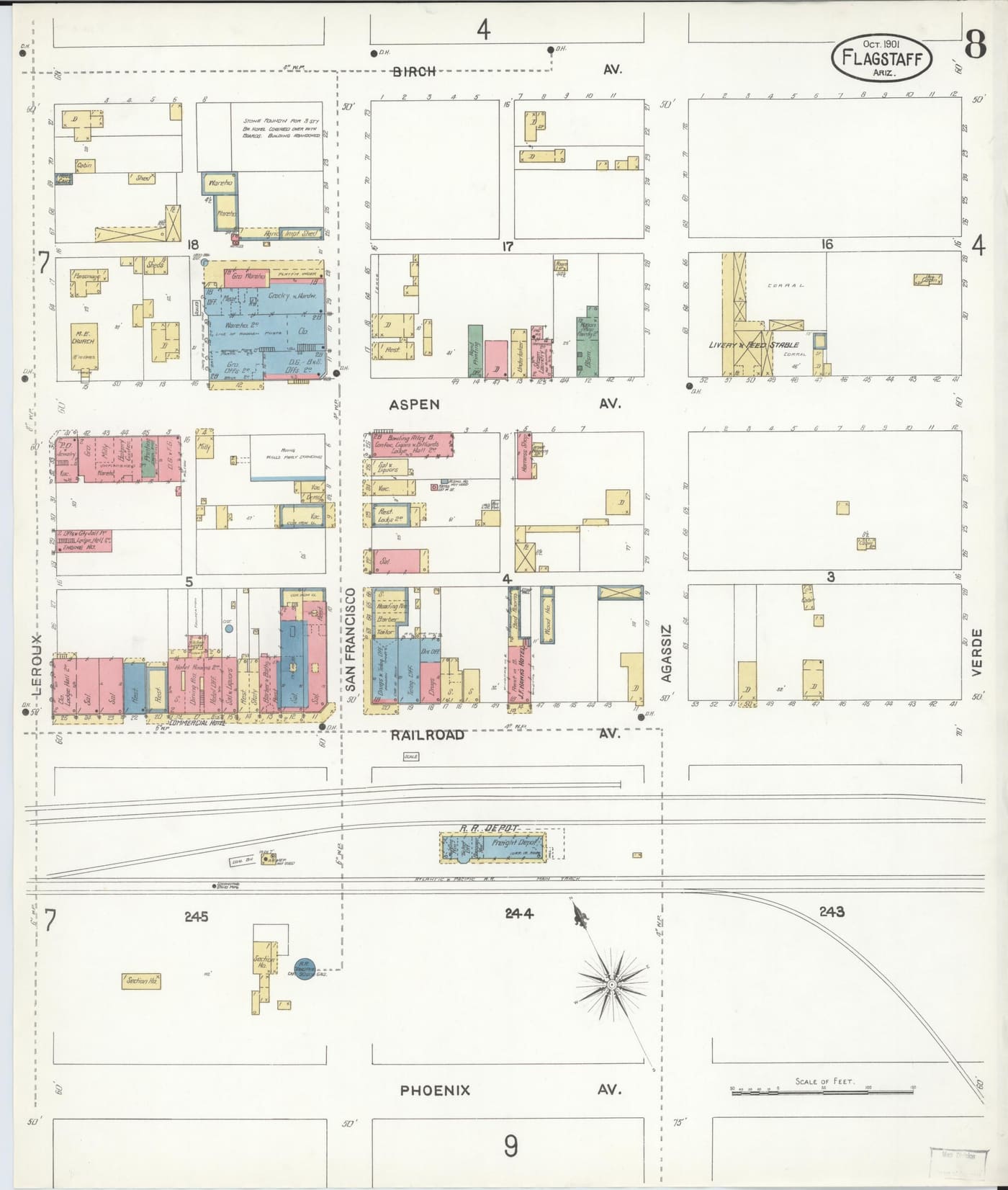
The Coconino Sun printed the words in 1916. The town spent a century not repeating them.
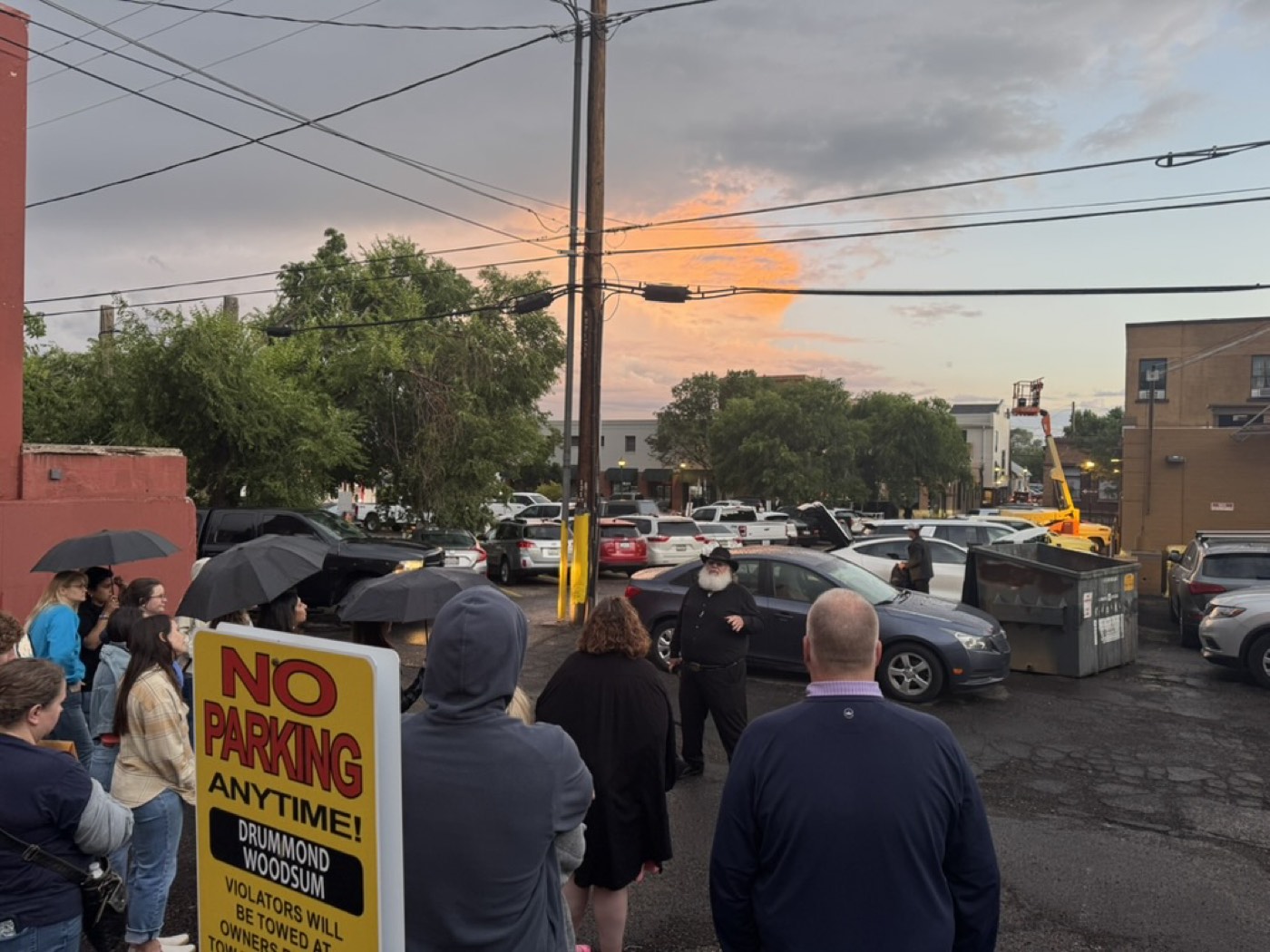
Every old mountain town swears it has tunnels. Flagstaff actually does. The argument is about what they were for.
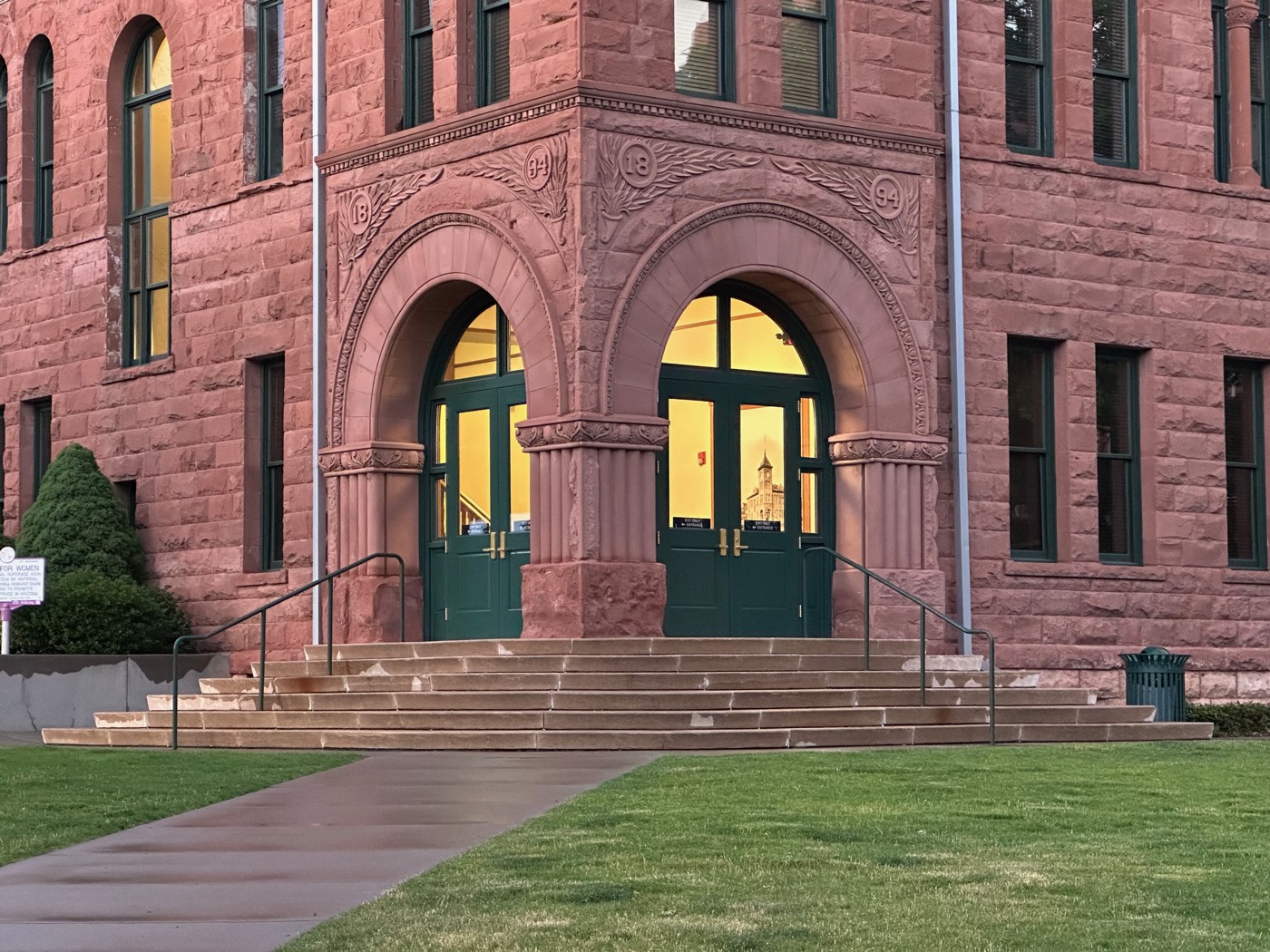
The saloons and the bawdy houses rebelled. The mayor found a price everyone could live with.