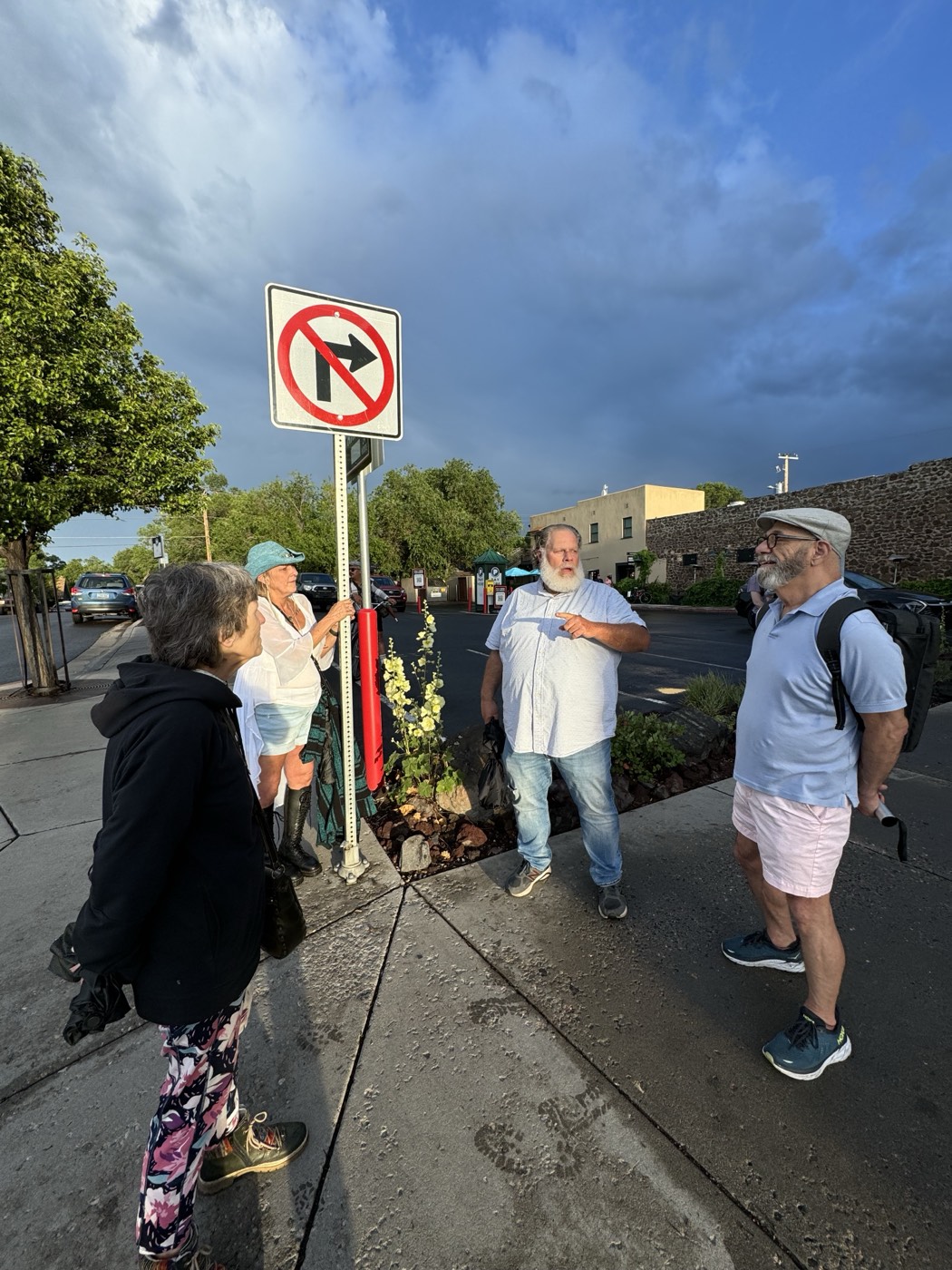
South of the tracks
The Red-Light District
The Coconino Sun printed the words in 1916. The town spent a century not repeating them.
Read the storyFlagstaff, Arizona Territory
Five dispatches from the decades before Flagstaff learned to behave, drawn from the record and finished in the book.
The Coconino Sun printed the words in 1916. The town spent a century not repeating them.
Read the story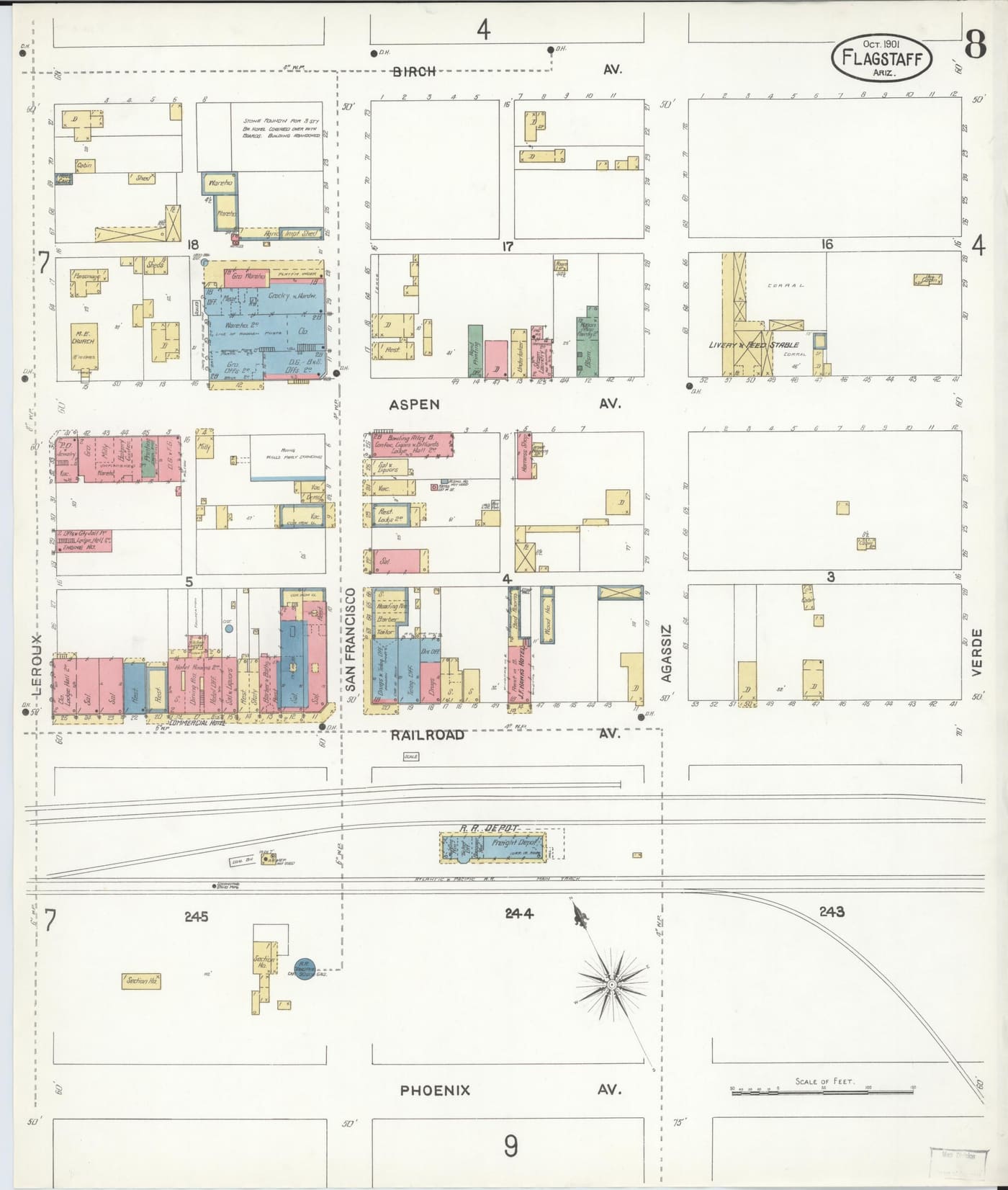
By 1886 the saloons outnumbered every other kind of business in town, combined.
Read the story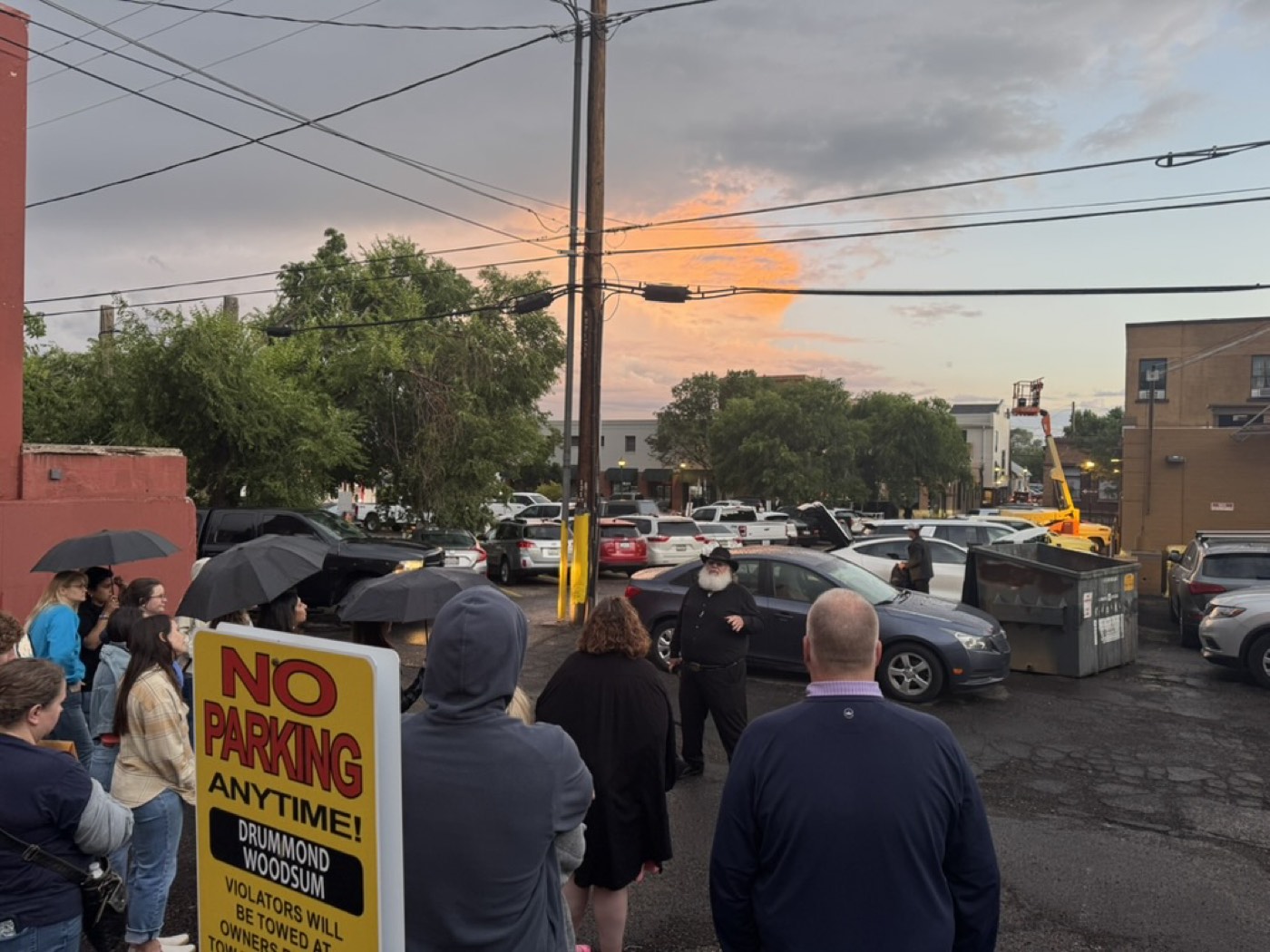
Every old mountain town swears it has tunnels. Flagstaff actually does. The argument is about what they were for.
Read the story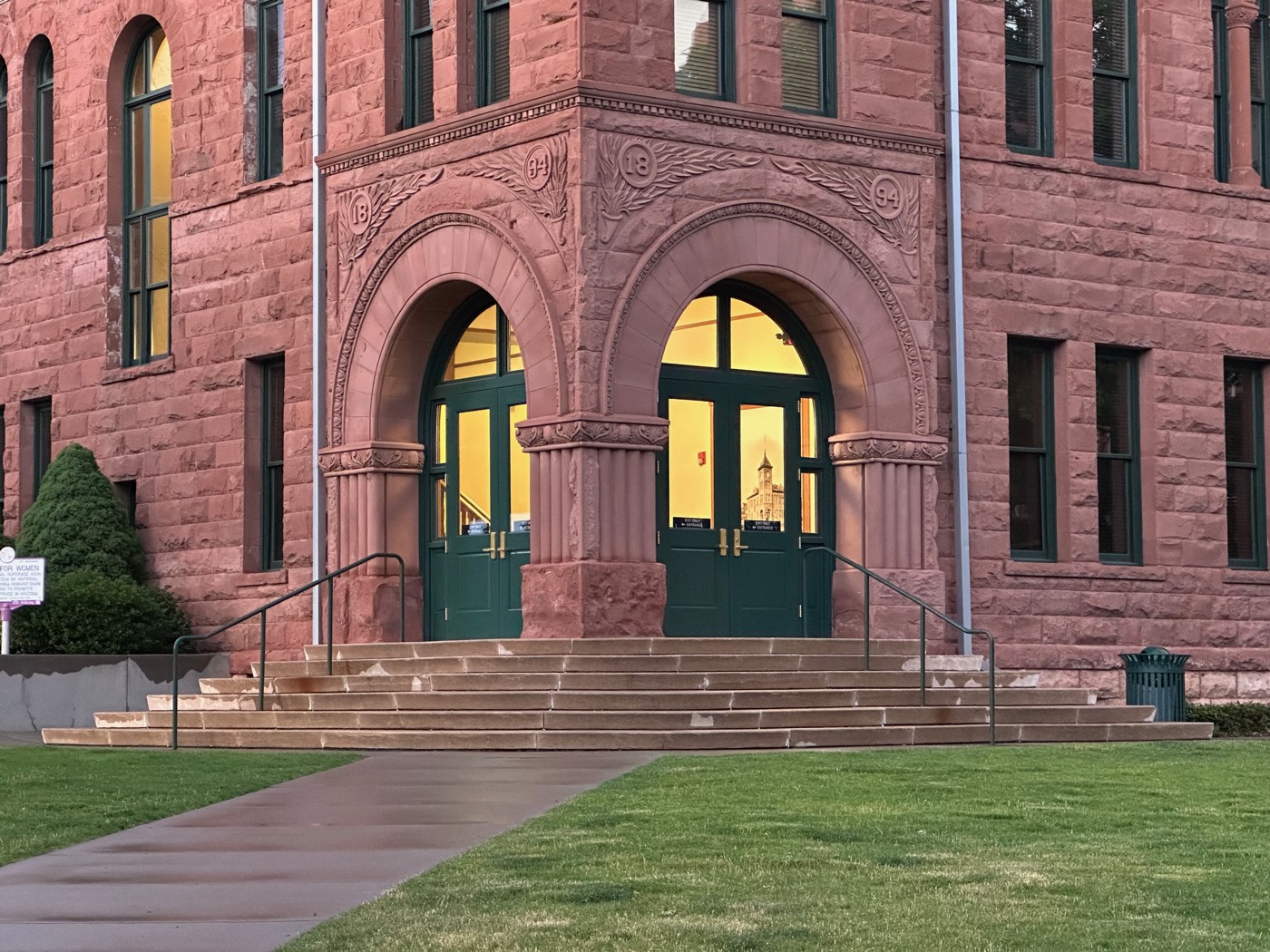
The saloons and the bawdy houses rebelled. The mayor found a price everyone could live with.
Read the story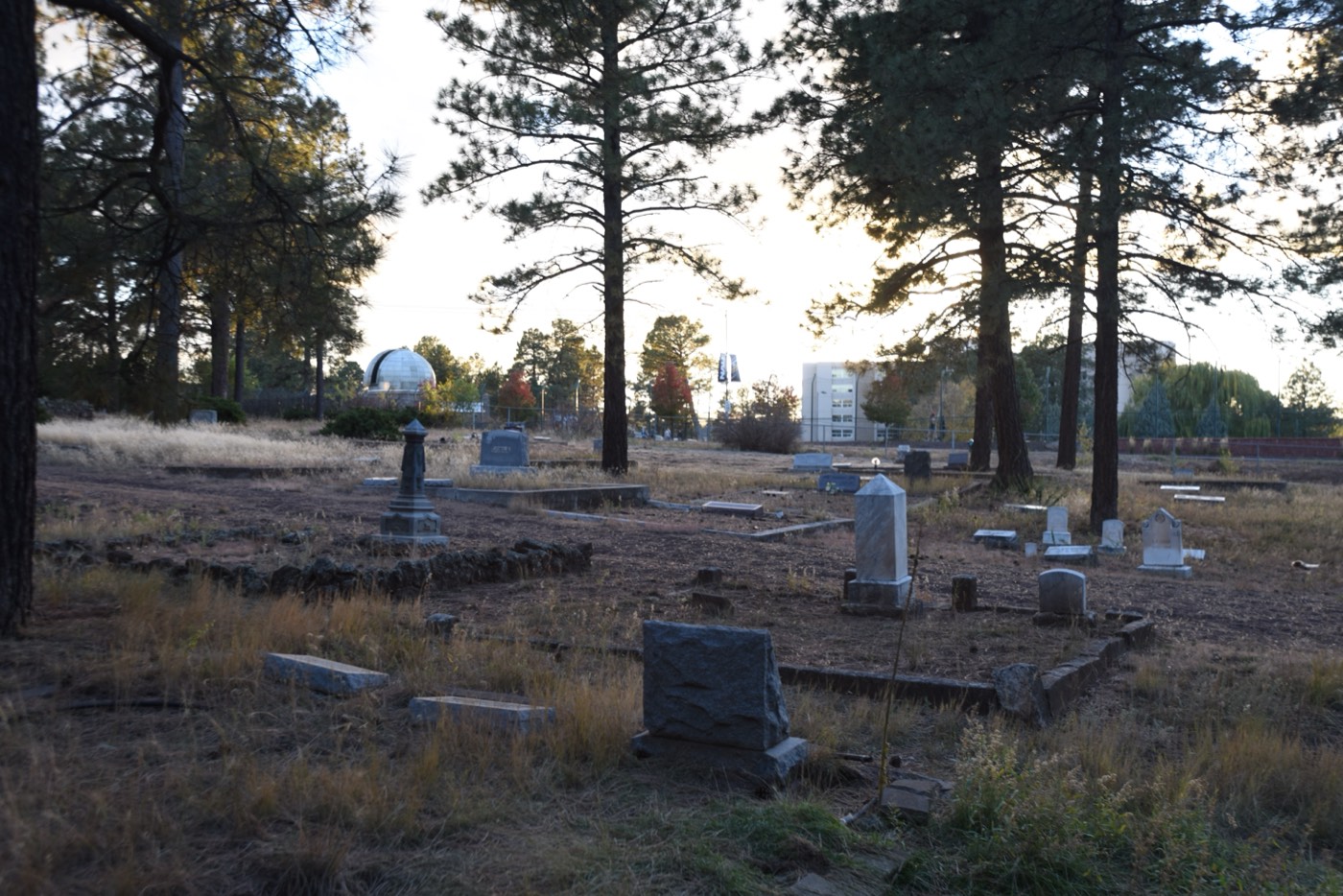
In 1914 Flagstaff moved its dead to the new cemetery. It only found forty of them.
Read the story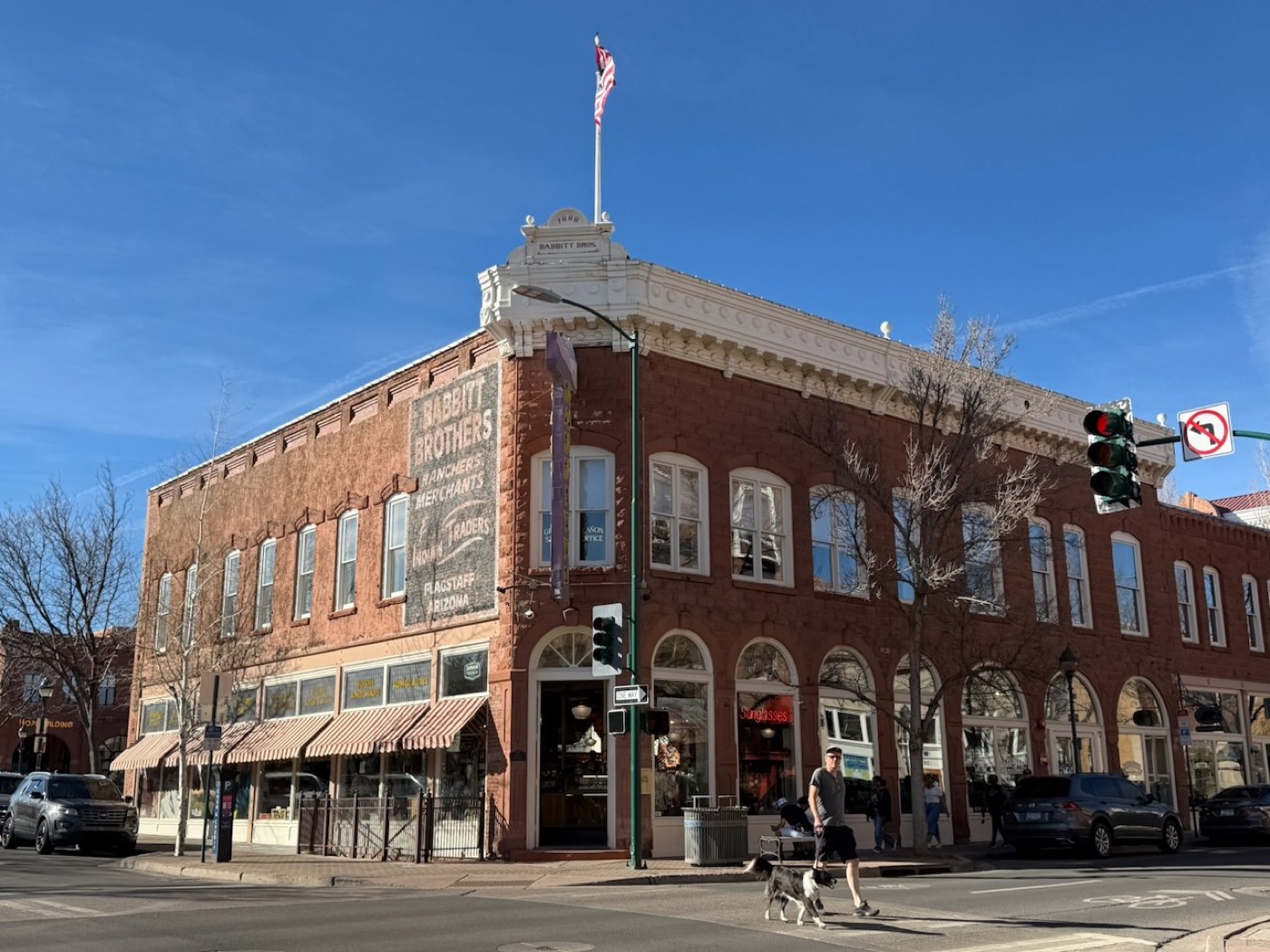
The saloons closed on schedule. The drinking retired to the basements and kept better hours.
Read the storyDutch May Prescott, Commodore Perry Owens, Ben Doney, and the mayor who priced the town’s sins. The cast, with their receipts.
Meet the castThese pages give you the documented outlines and their sources. The book gives you the town: 128 pages of the early days, sourced and told straight.