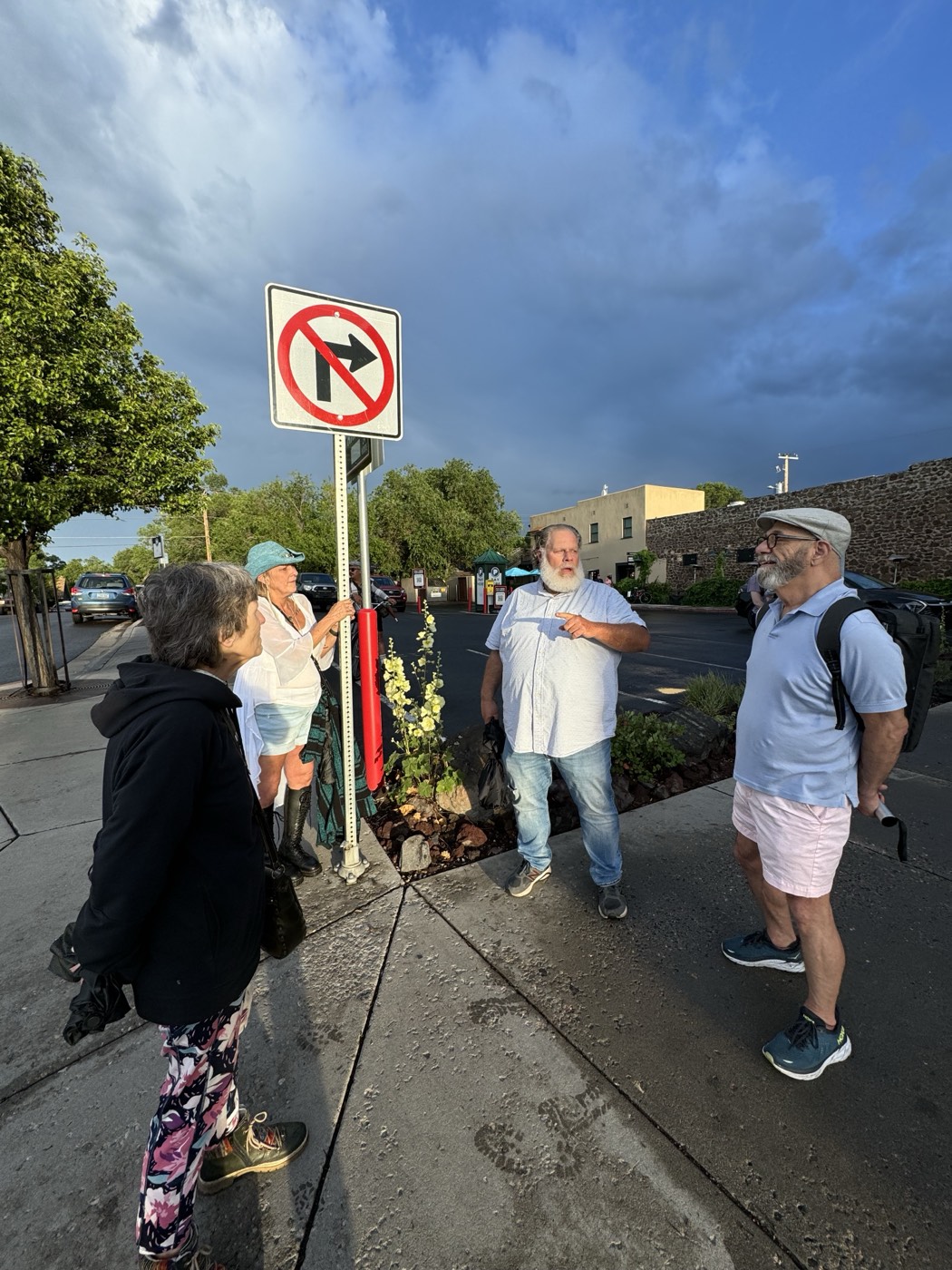
South of the tracks
The Red-Light District
The Coconino Sun printed the words in 1916. The town spent a century not repeating them.
Arizona voted itself dry years before the rest of the country followed, and on paper the saloon row that had defined Railroad Avenue simply ended. In practice, Flagstaff treated Prohibition the way it had treated the blue laws: as a pricing problem.
The evidence survived in two places. In the buildings: the Hotel Monte Vista opened in 1927 with a lounge that, by the hotel’s own telling, poured through Prohibition by way of a speakeasy that opened on New Year’s Day of its first year, and the basements along the old saloon row kept fixtures no dry town needed. And in the newspapers: Susan Johnson’s weekly Flagstaff History column has resurfaced the era one item at a time, whiskey stills in the woods, bootleggers caught by a Verde deputy, officials making big booze busts near town.
The tunnels chapter and this one are the same story told at different depths. When a town decides a law is a suggestion, it digs.
Wicked Flagstaff follows the dry years from the last legal pour to the stills in the pines: who supplied the town, who looked away, and how a mountain county enforced a law it privately considered optional.
Chicago“Prohibition, early Flagstaff.” Wicked Flagstaff, the Book. https://wickedflagstaff.com/stories/prohibition.
APAWicked Flagstaff, the Book. (2026). Prohibition, early Flagstaff. https://wickedflagstaff.com/stories/prohibition
Citing the book itself? Edition details and ISBNs are on the buy page.
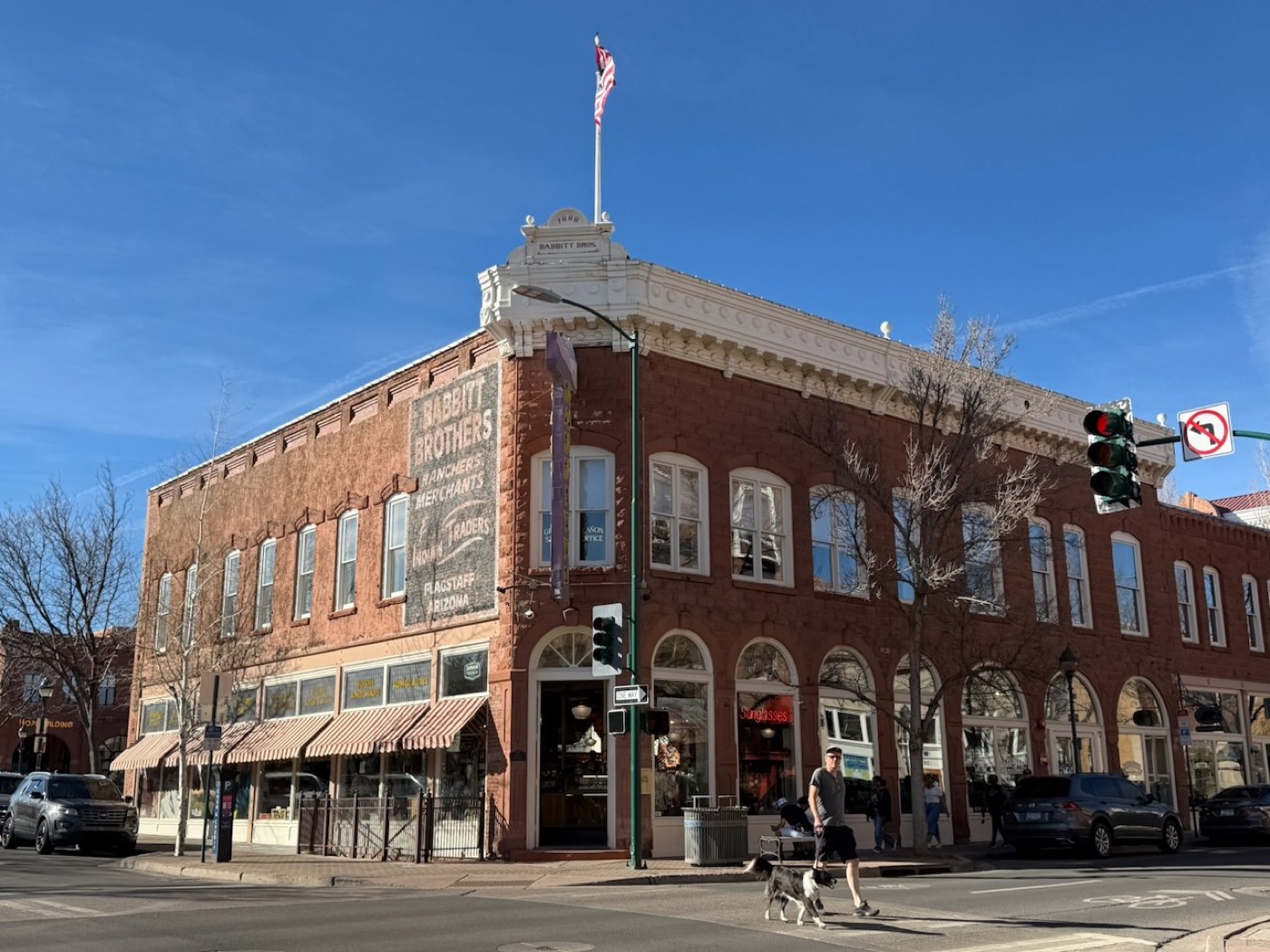
The Coconino Sun printed the words in 1916. The town spent a century not repeating them.
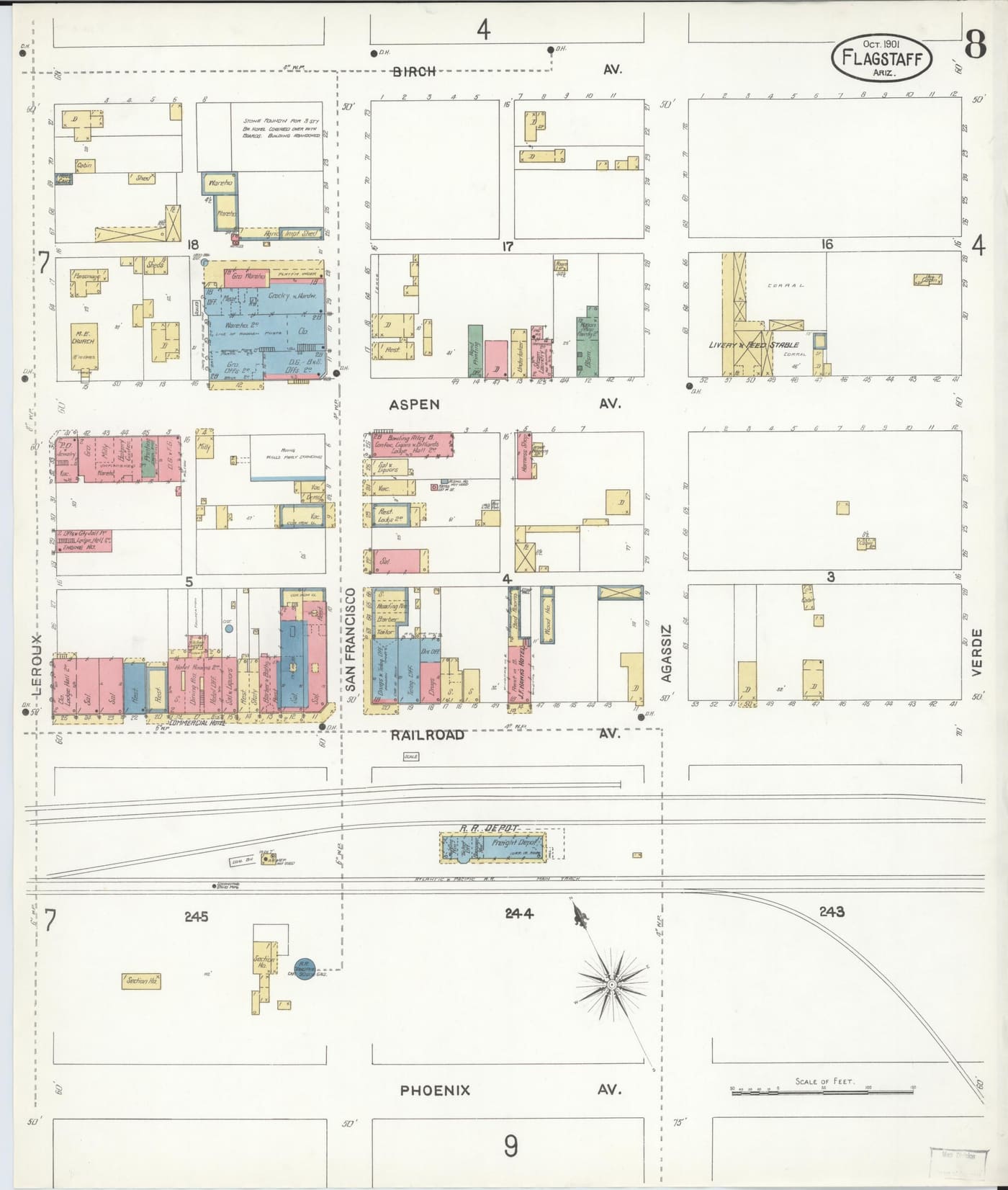
By 1886 the saloons outnumbered every other kind of business in town, combined.
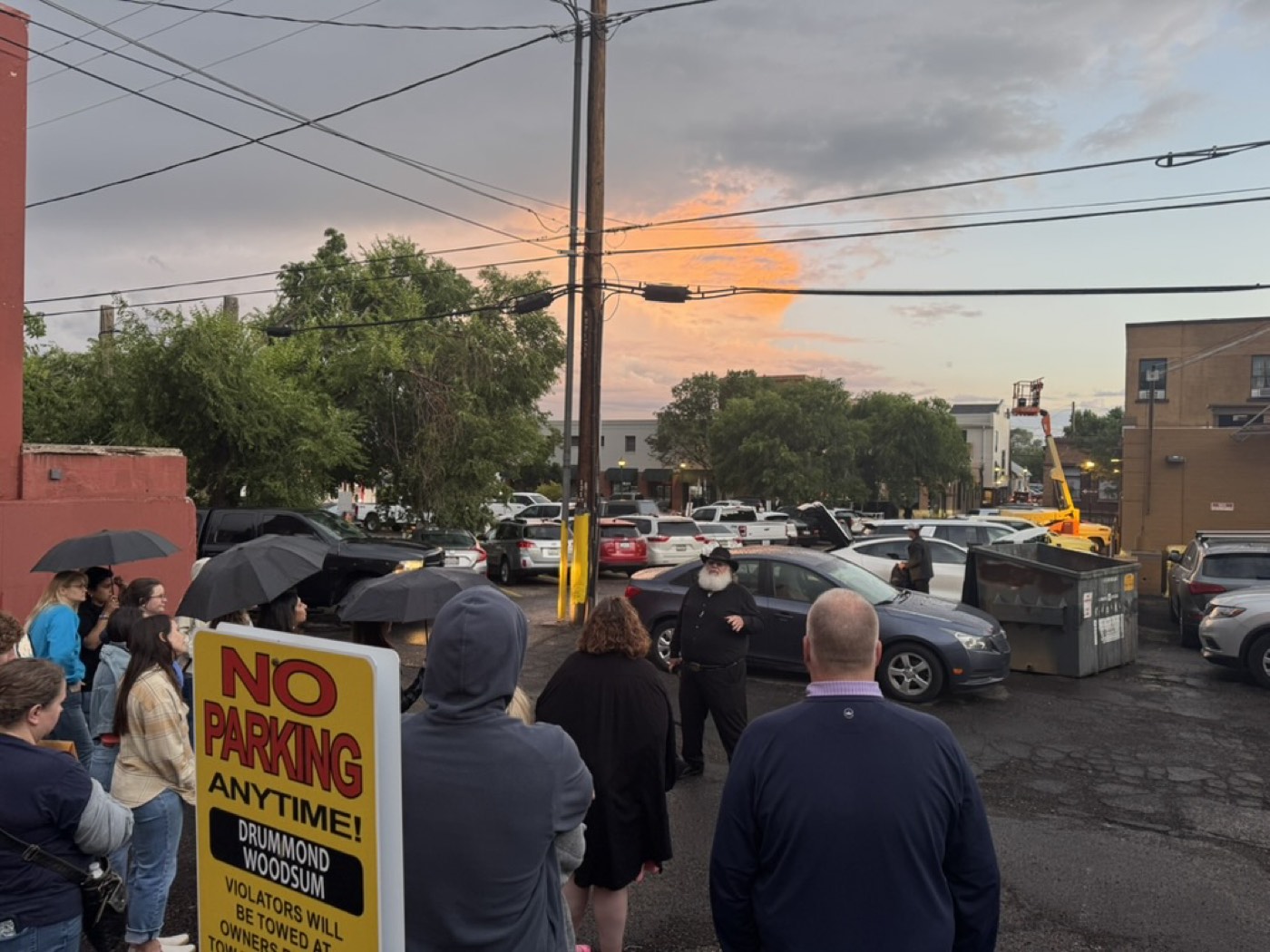
Every old mountain town swears it has tunnels. Flagstaff actually does. The argument is about what they were for.