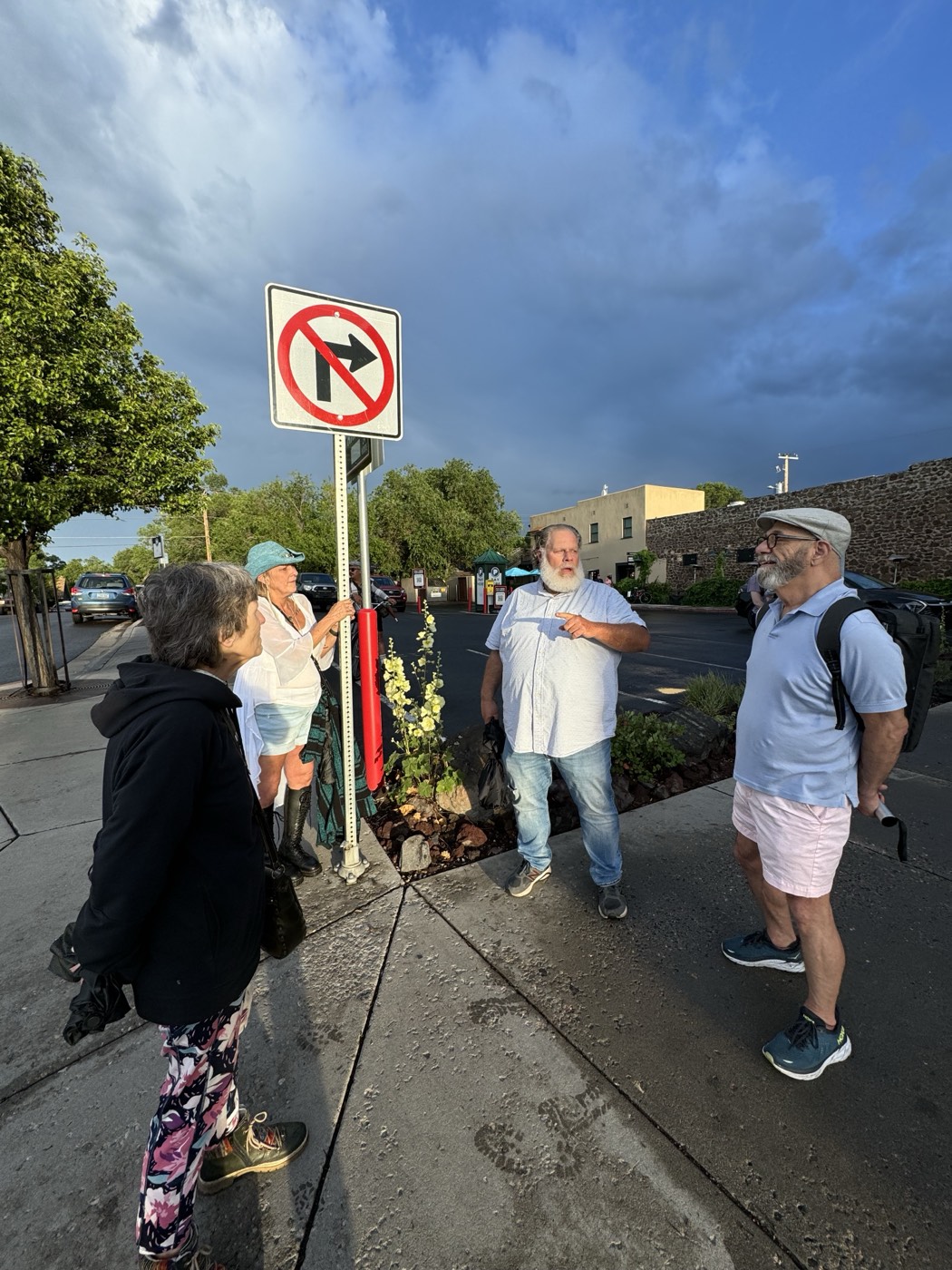
South of the tracks
The Red-Light District
The Coconino Sun printed the words in 1916. The town spent a century not repeating them.
The legend comes in the usual flavors: tunnels dug for opium dens, tunnels for bootleggers, tunnels so the respectable could visit the unrespectable without crossing the street in daylight. The sober version, worked out from utility records, is that a steam heating system laced the downtown blocks around 1920, and its pipe galleries are the passages people remember crawling into.
The sober version has a hole in it too: basements along the old saloon row connect in ways a steam fitter never needed, and a speakeasy operated in at least one of them during Prohibition. The legend is wrong about the details and right about the appetite. Flagstaff wanted ways to move out of sight, and for a price, it had them.
The publisher put secret tunnels on the back cover of this book for a reason.
Wicked Flagstaff goes underground with the records in hand: what was dug, when, by whom, and which of the stories about what happened down there survive contact with the evidence.
Chicago“The Tunnels, early Flagstaff.” Wicked Flagstaff, the Book. https://wickedflagstaff.com/stories/the-tunnels.
APAWicked Flagstaff, the Book. (2026). The Tunnels, early Flagstaff. https://wickedflagstaff.com/stories/the-tunnels
Citing the book itself? Edition details and ISBNs are on the buy page.
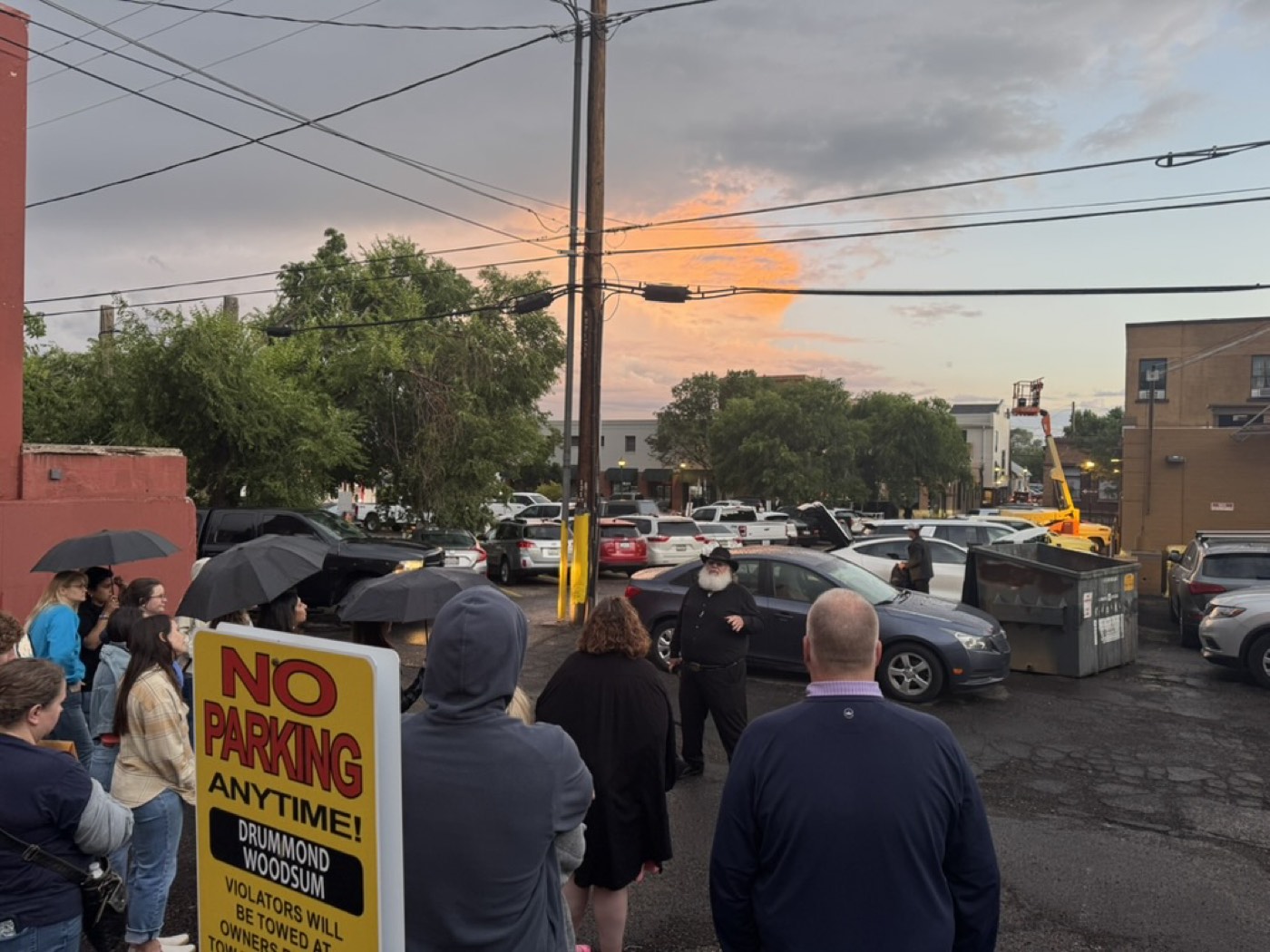
The Coconino Sun printed the words in 1916. The town spent a century not repeating them.
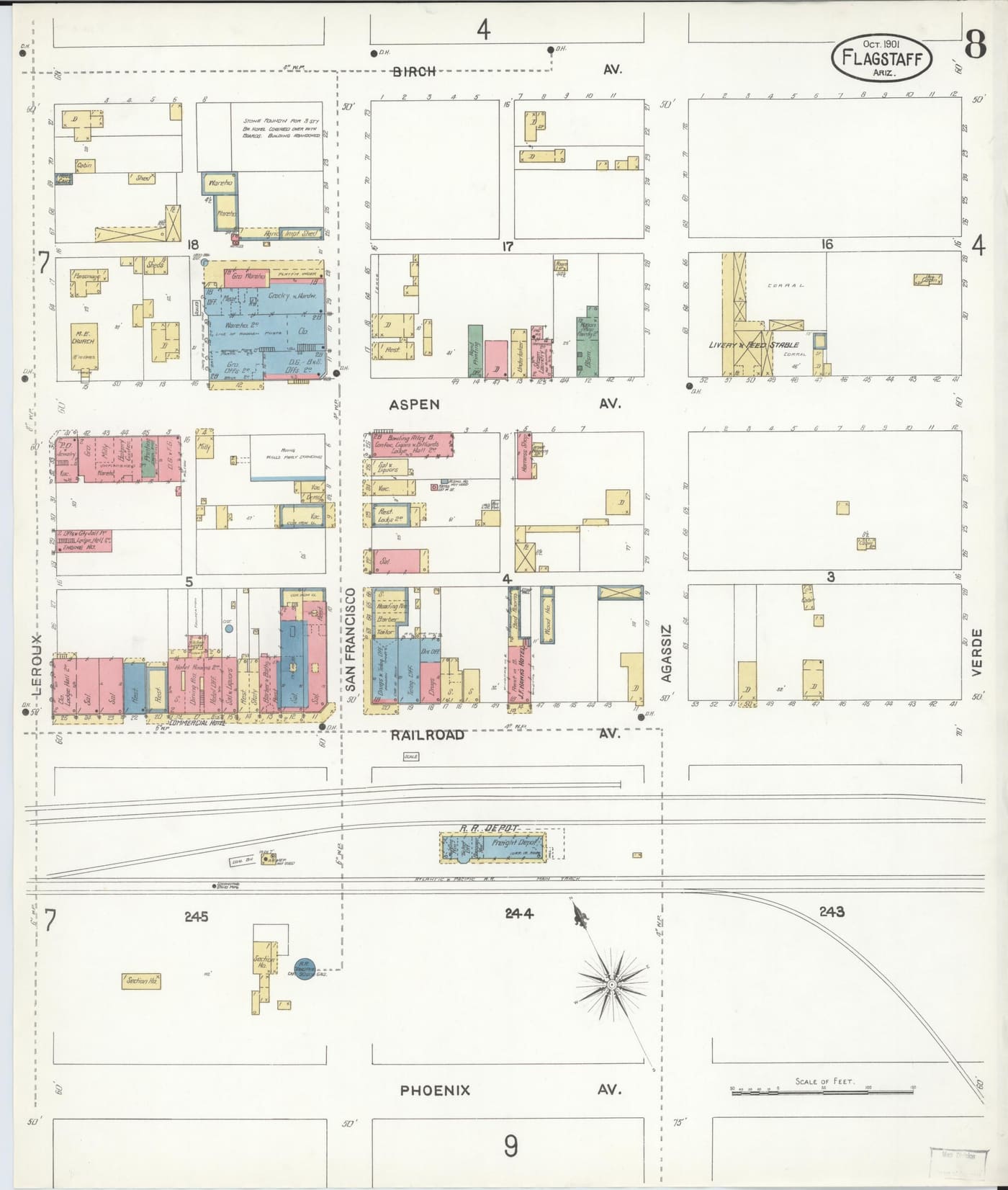
By 1886 the saloons outnumbered every other kind of business in town, combined.
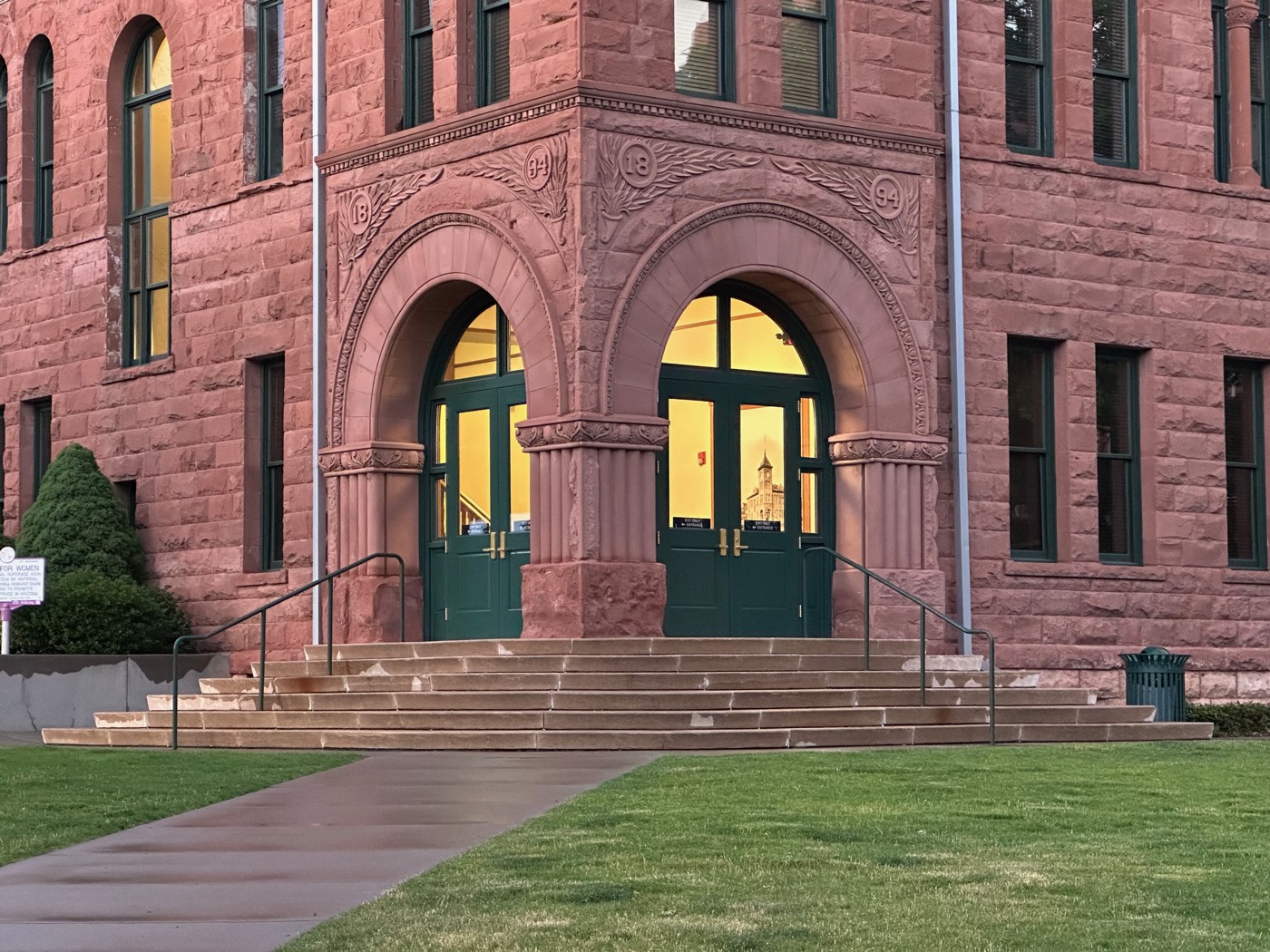
The saloons and the bawdy houses rebelled. The mayor found a price everyone could live with.