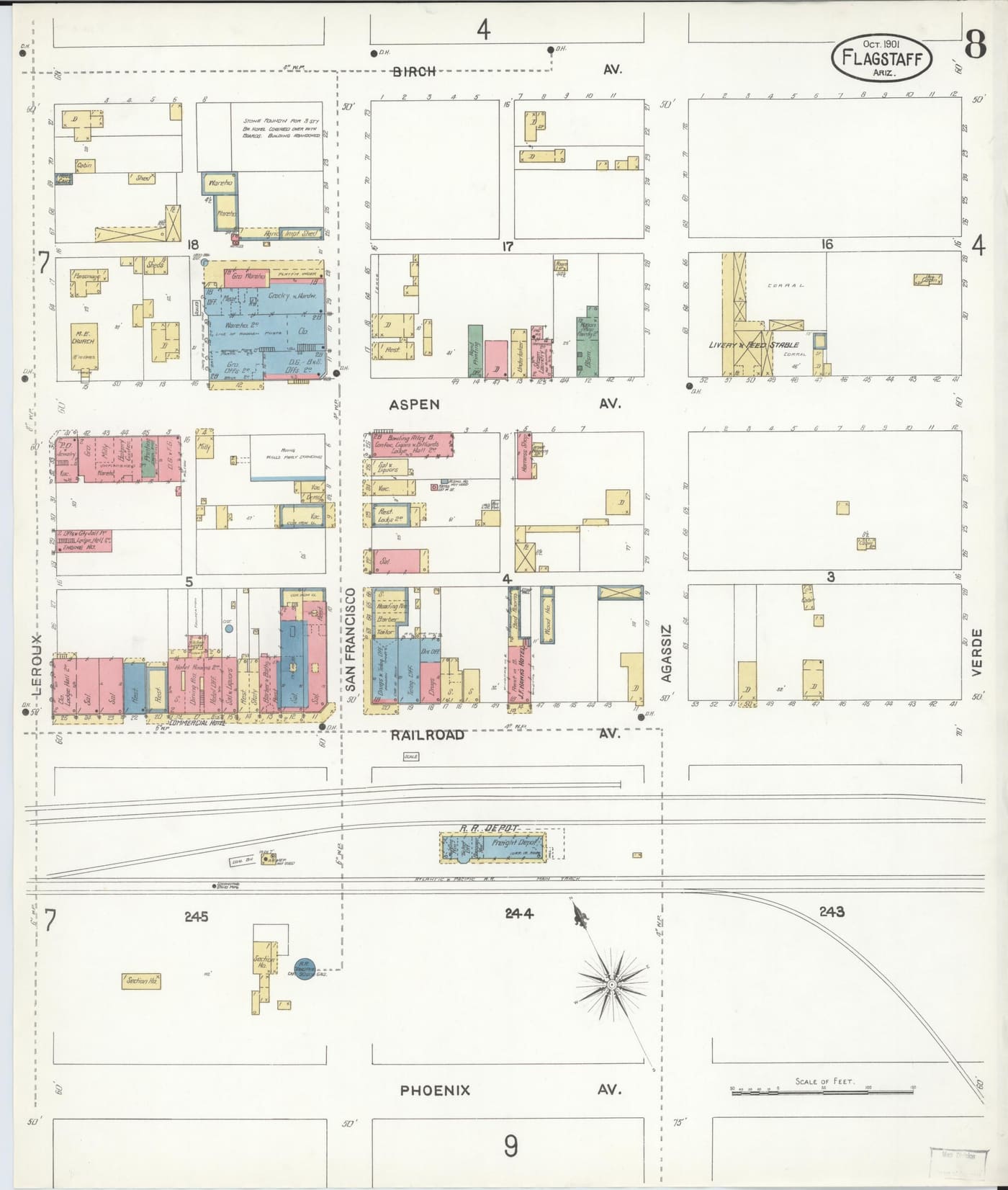
Railroad Avenue, 1882 to 1917
Saloon Row
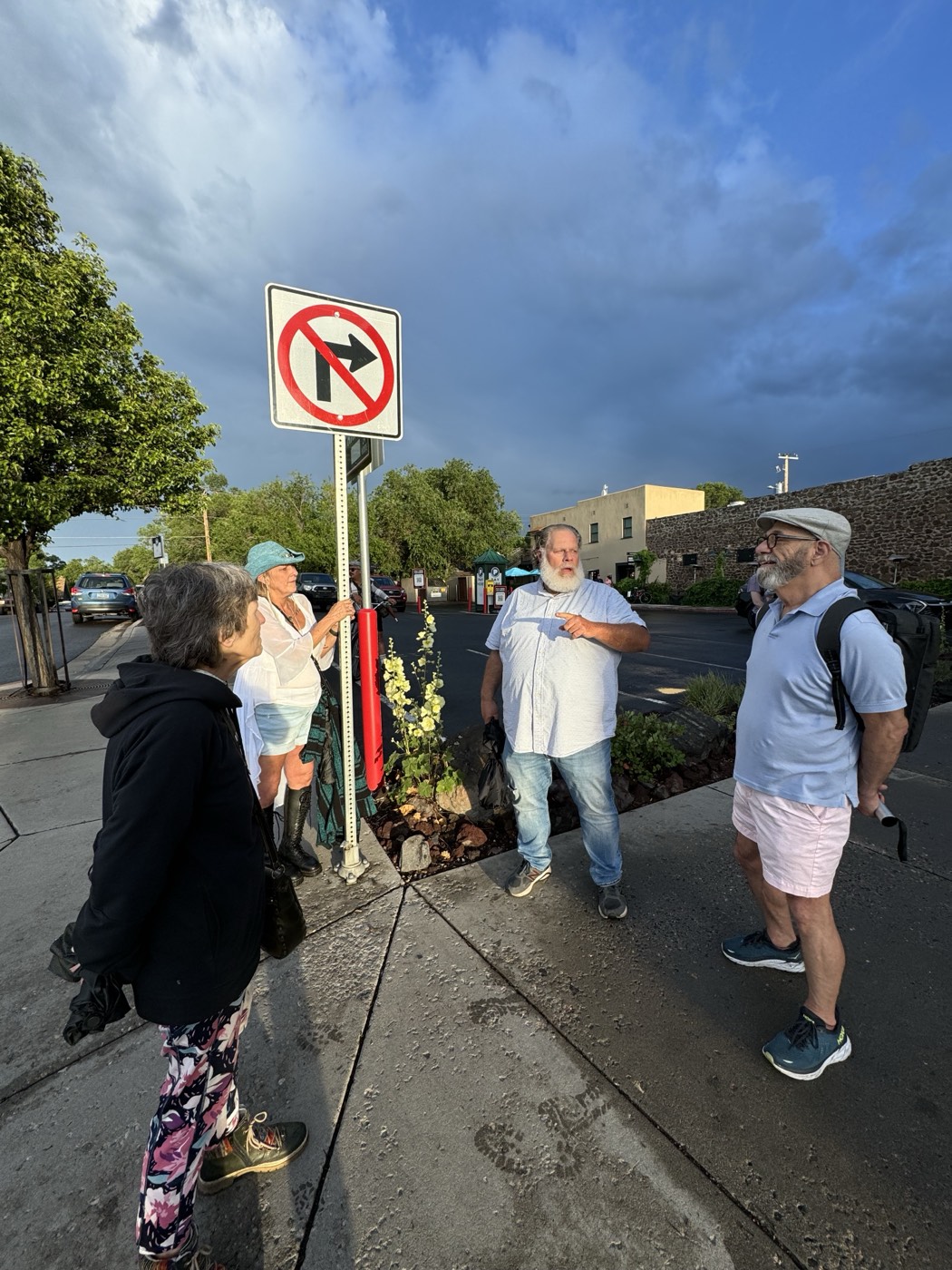
By 1886 the saloons outnumbered every other kind of business in town, combined.
Every railroad town had one, and Flagstaff kept its own south of the tracks: the restricted district, where the town confined the businesses it depended on and declined to discuss. When the Coconino Sun reported the death of Dutch May Prescott in September 1916, it placed the crime plainly in a small shack in the rear of a house in the red light district. The paper did not need to give directions. Everyone knew where that was.
The women of the district ran real enterprises in real buildings that paid real taxes, and a few of them, Dutch May among them, accrued property worth killing over. The neighborhood south of the tracks went on to become the Southside whose heritage Flagstaff now celebrates, and the district chapter of its story went quiet.
What the record still holds is remarkable: fire insurance maps that drew every building footprint, tax rolls, court dockets, and a newspaper that reported on the district in the reproachful voice of the age while cashing its advertising checks.
Wicked Flagstaff walks the district street by street: who ran it, who profited, who looked away, and how Dutch May Prescott kept it in the black. The geography, the economics, and the people are in the book. The district can still be walked on the private Southside Flagstaff Haunted History Tour.
Chicago“The Red-Light District, early Flagstaff.” Wicked Flagstaff, the Book. https://wickedflagstaff.com/stories/red-light-district.
APAWicked Flagstaff, the Book. (2026). The Red-Light District, early Flagstaff. https://wickedflagstaff.com/stories/red-light-district
Citing the book itself? Edition details and ISBNs are on the buy page.
By 1886 the saloons outnumbered every other kind of business in town, combined.
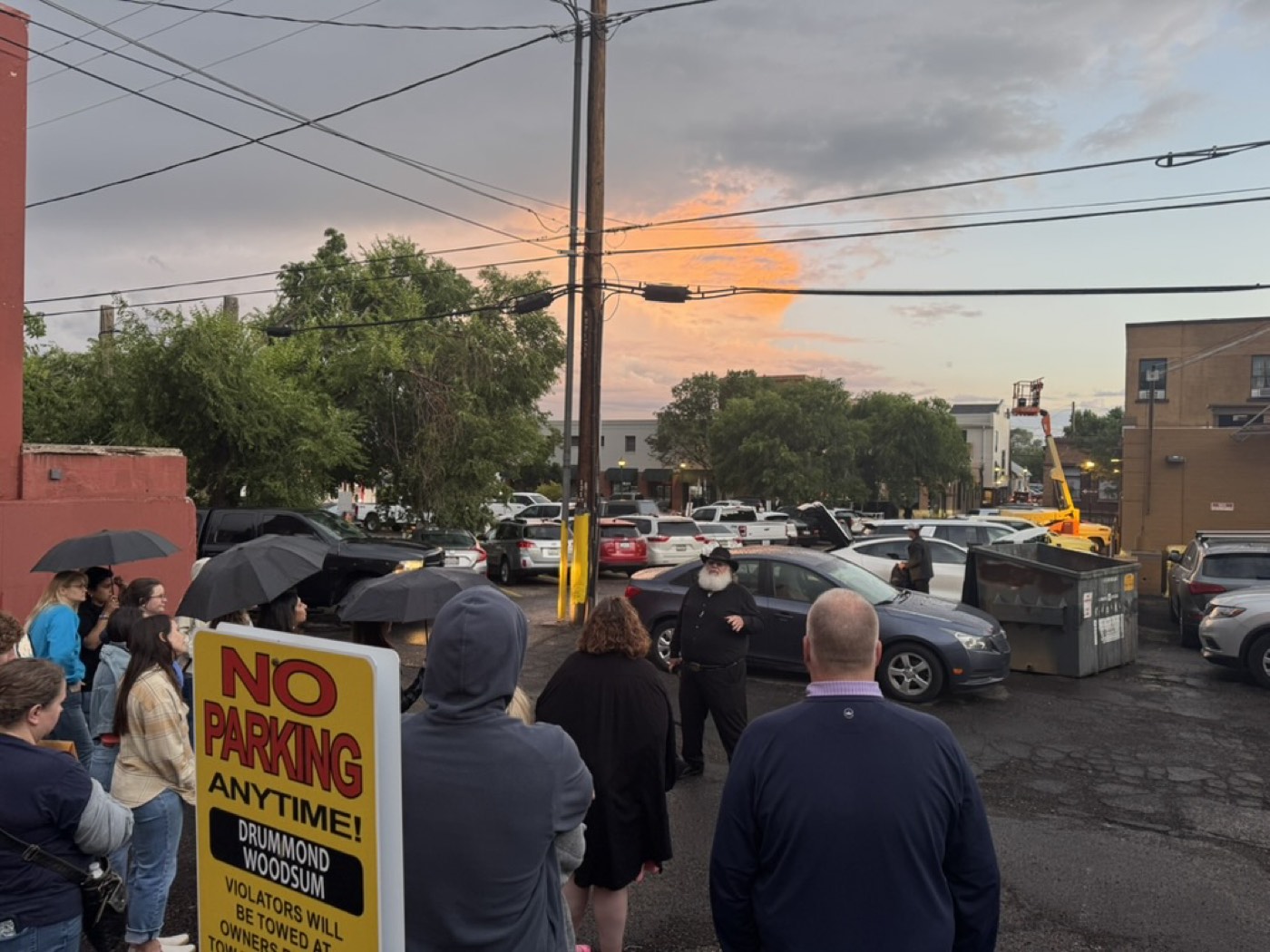
Every old mountain town swears it has tunnels. Flagstaff actually does. The argument is about what they were for.
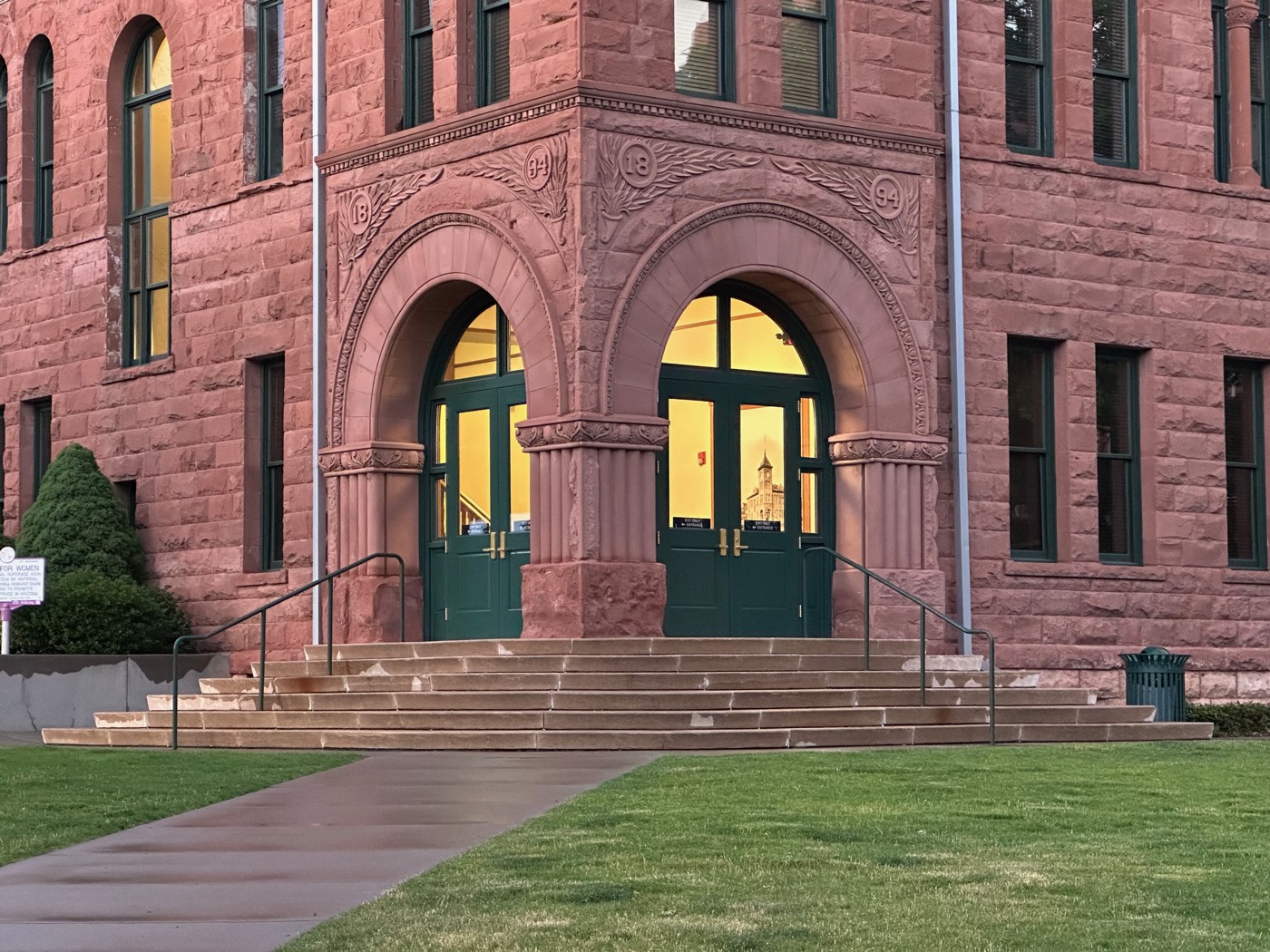
The saloons and the bawdy houses rebelled. The mayor found a price everyone could live with.