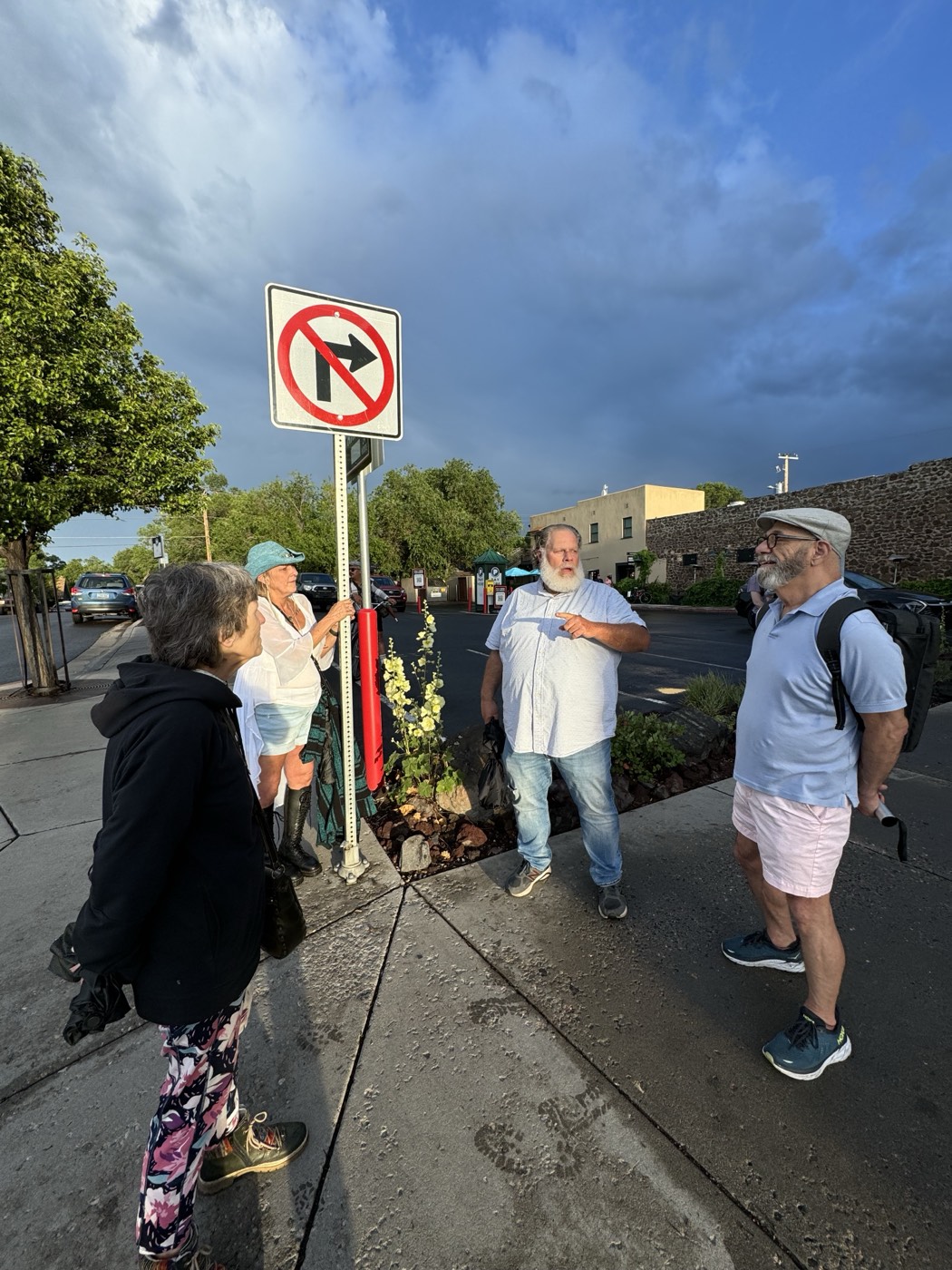
South of the tracks
The Red-Light District
The Coconino Sun printed the words in 1916. The town spent a century not repeating them.
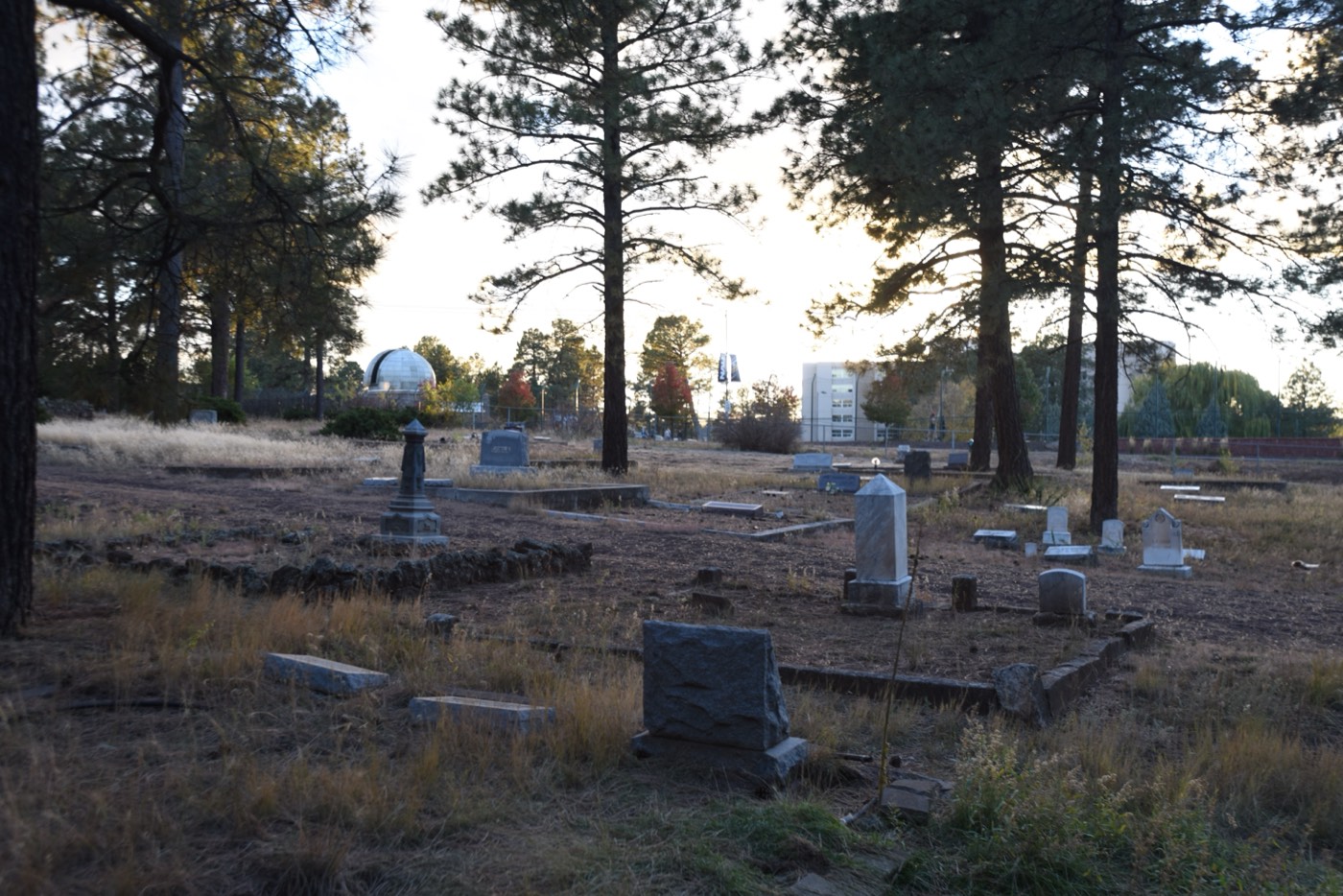
Flagstaff’s first community cemetery sat near the tracks and filled fast with the men and women a railroad town used up: accident victims, fever cases, the unclaimed, and the residents of the district nearby. By 1897 the newspaper was demanding a fence to keep livestock from grazing among the graves. A 1904 inventory counted sixty-four marked burials and admitted to many more unmarked ones.
In 1914 the town transferred its dead to the new Citizens Cemetery, and the arithmetic of that transfer is the whole story: only about forty identified remains made the move. The rest, the unmarked and the unrecorded, stayed where they were, under ground Flagstaff went on to build over.
The publisher’s blurb says some of the era’s hopefuls found their end at Greenwood Cemetery. It does not say the cemetery itself ended, or that the town misplaced it.
Wicked Flagstaff follows the town’s first burial ground from its crowded beginnings to its quiet erasure, and names the people the 1914 transfer left behind.
Chicago“Greenwood Cemetery, early Flagstaff.” Wicked Flagstaff, the Book. https://wickedflagstaff.com/stories/greenwood-cemetery.
APAWicked Flagstaff, the Book. (2026). Greenwood Cemetery, early Flagstaff. https://wickedflagstaff.com/stories/greenwood-cemetery
Citing the book itself? Edition details and ISBNs are on the buy page.
The Coconino Sun printed the words in 1916. The town spent a century not repeating them.
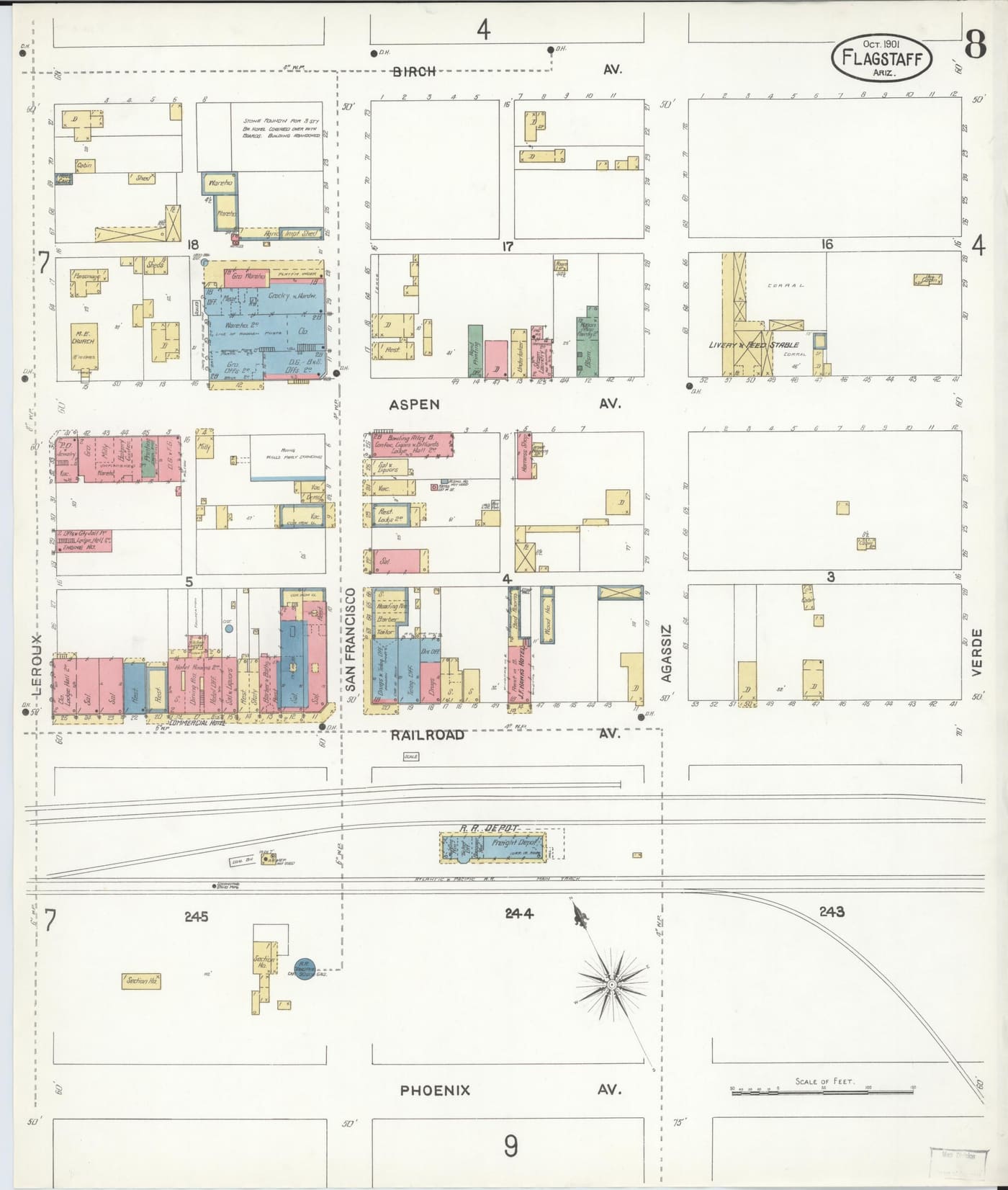
By 1886 the saloons outnumbered every other kind of business in town, combined.
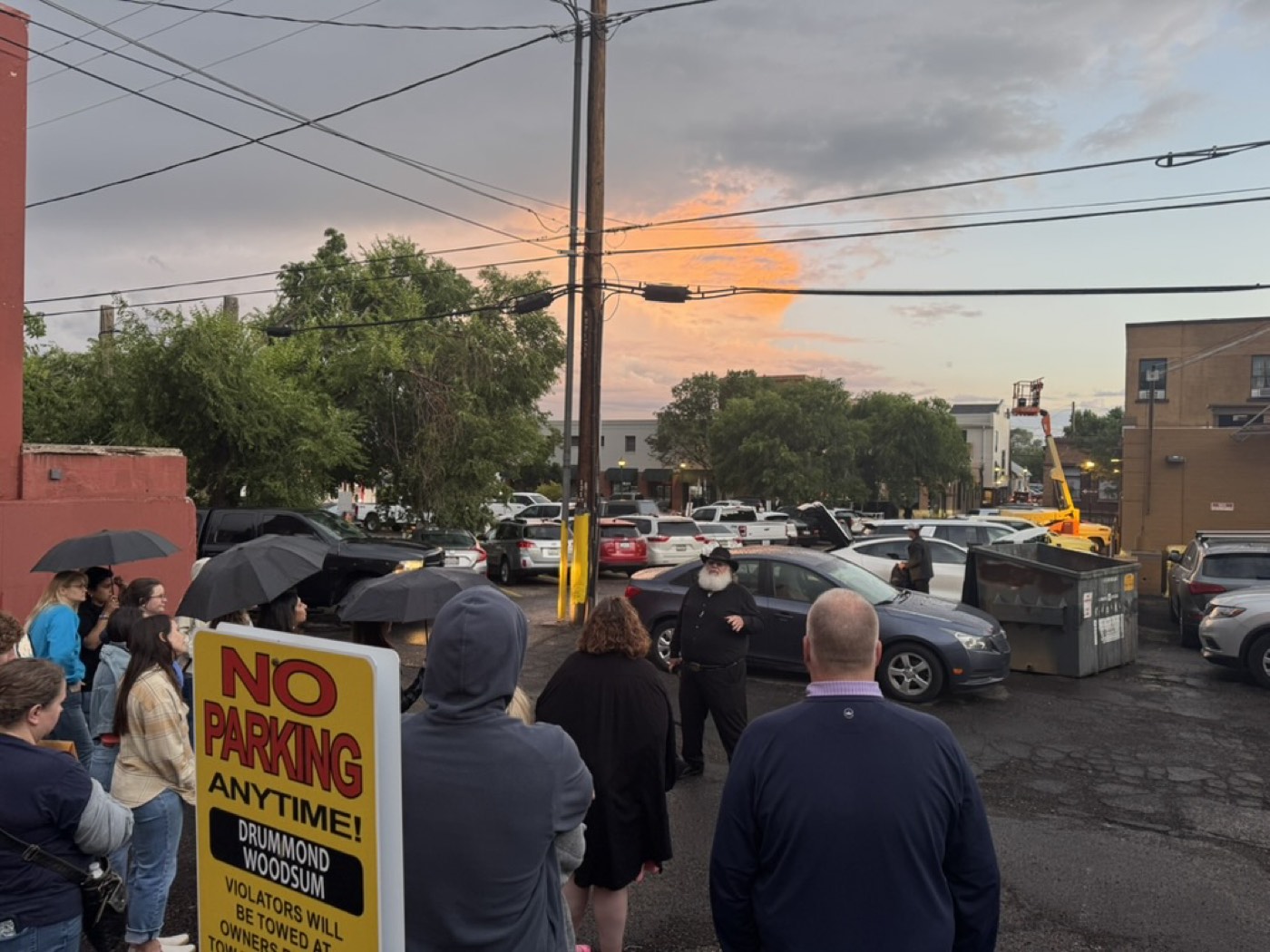
Every old mountain town swears it has tunnels. Flagstaff actually does. The argument is about what they were for.